Google's Gemini app is introducing Deep Research features and new study tools, enhancing the educational experience for students this back-to-school season.
New Features in Gemini Live
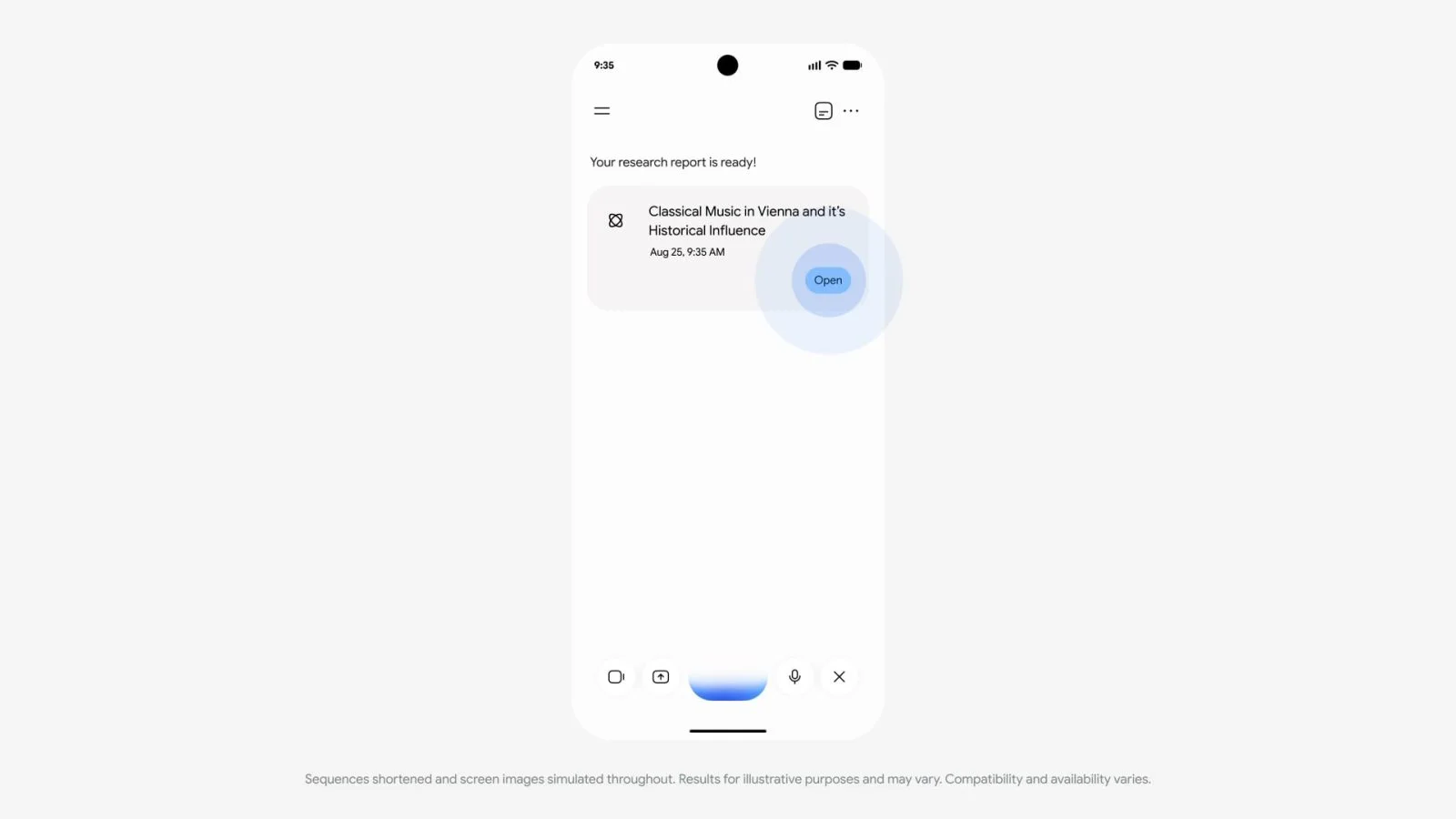
Google is enhancing the learning experience for students this back-to-school season with significant updates to its Gemini app. A standout addition is the integration of Deep Research, which allows users to request and discuss research reports through voice commands. This feature represents a shift toward more interactive, voice-driven learning methods, reflecting broader trends in artificial intelligence and user interface design. By tapping into natural language processing, Gemini aims to make research more accessible and less intimidating, especially for students who may not have extensive experience conducting academic inquiries. That could be particularly beneficial for younger students who are just starting to develop their research skills.
Student Offers and Access
To make these tools more accessible, college students in the U.S. are eligible for a free year of Google AI Pro, normally priced at about $20 a month. This offer is significant when you consider the rising costs of educational resources, especially in the current economic climate. An enticing bundle with YouTube Premium also offers discounts of up to 70%, providing additional incentives to engage with Google's suite of services. Interestingly, international students can access a year of AI Plus for just $5 a month, reflecting Google's strategy to broaden its user base globally. This pricing structure speaks volumes about the company's intent to cater to diverse educational ecosystems, but you have to wonder if this disparity affects student experience between domestic and international users.
Introducing the Student Hub
A new "Student" hub, located at gemini.google.com/students, centralizes useful resources such as flashcards and practice quizzes, aimed at supporting learning across disciplines. This kind of centralization is particularly useful in an age where students juggle multiple online platforms for their study needs. By consolidating these resources, Google makes it easier for students to find the tools they need without getting lost in a sea of tabs and apps. The hub can also facilitate community-building among students, allowing them to share resources and study tips, which is often a critical component of academic success.
Notebook Features and Enhancements
Continuing from June’s introduction, the study notebooks are evolving to include the capacity to upload notes and learning materials for generating tailored lesson plans and quizzes. The ability to personally curate study materials cannot be underestimated; it encourages active engagement with content rather than passive consumption. Upcoming enhancements will integrate graphs, images, and Google Calendar to help students manage due dates and exam schedules based on their class materials. Such organizational features could help students, especially those in rigorous programs, better balance their academic and personal responsibilities. This streamlined approach to time management is a major plus for any student looking to gain an academic edge.
AI Tool Integrations
Google AI Mode and Overviews are expanding functionality to create customized educational tools. For instance, conducting a search on the “pH scale” can yield interactive visual aids, with more focused queries generating personalized simulations. This responsive interface becomes increasingly dynamic as users ask more specific questions, allowing for a layered educational experience that's both informative and interactive. Students often benefit from visual learning, and these new features could significantly enhance understanding of complex subjects. Still, the reliance on technology raises questions about whether students might become too dependent on AI for their learning needs.
Custom Quizzes and Study Strategies
The platform also supports custom quizzes tailored for various standardized tests, including SAT, ACT, and GRE. Users can request quizzes targeting commonly tested vocabulary, enhancing their exam preparations. This feature can be a game changer for students who are often overwhelmed by the vast array of study material available. Custom quizzes allow for targeted practice, making study sessions more effective. With exam stakes continually higher, this focused approach is not just beneficial; it may be essential for success in a competitive academic environment.
Enhancements in Study Notebooks
Within AI Mode, students are encouraged to maintain notebooks for each subject or project. These notebooks allow for the integration of articles, course syllabi, and previous AI Mode discussions in one organized location. This setup enables ongoing inquiries and analysis based on accumulated materials. Such continuity fosters deeper learning by allowing students to reflect on their progress, but there’s a catch: will students remember to regularly engage with these notebooks? The effectiveness of this feature hinges not just on availability, but on actual usage patterns.
Creating Study Documents
Another practical feature allows users to generate study documents from uploaded materials or conversation threads. For example, students can submit a photo of handwritten notes alongside lecture slides and request a synthesis of key concepts into a single-page document. This sort of automation saves time and keeps students focused on learning rather than administrative tasks. Yet, there’s a hidden risk here—if students rely too heavily on these automated summaries, they might miss out on the deeper engagement that comes from synthesizing information on their own. This is the part most people overlook.
Interactive Learning with Google Lens
Google Lens is set to deliver an interactive experience that helps students tackle difficult concepts through image recognition. In coming weeks, users can engage with learning material based on photos taken of problems or notes. This development represents a significant leap in how students can access information. The visual component also plays into the trend of experiential learning, where students grasp concepts better through direct interaction. But you have to wonder: Will this feature encourage laziness in problem-solving, or will it inspire students to engage more deeply with the material?
Implications and Future Outlook
A dynamic future awaits Gemini users as these advancements aim to elevate the educational experience, empowering students with better tools for their academic journeys. The implications of these updates extend beyond immediate benefits; they could fundamentally change how education is approached in a tech-centric world. If you're working in this space or are a student, the focus on personalization through AI represents a shift towards more adaptive learning environments. Yet, with increased reliance on technology raises essential discussions about the long-term effects on critical thinking and problem-solving skills. Questions linger: What if students become too accustomed to these aids? What skills might we risk losing in this tech-driven era of education?
Discussion
Sign in to join the discussion.