Sony is set to reintroduce its WH-1000XM4 headphones, featuring new colors and a tempting price point, appealing to audiophiles on a budget.
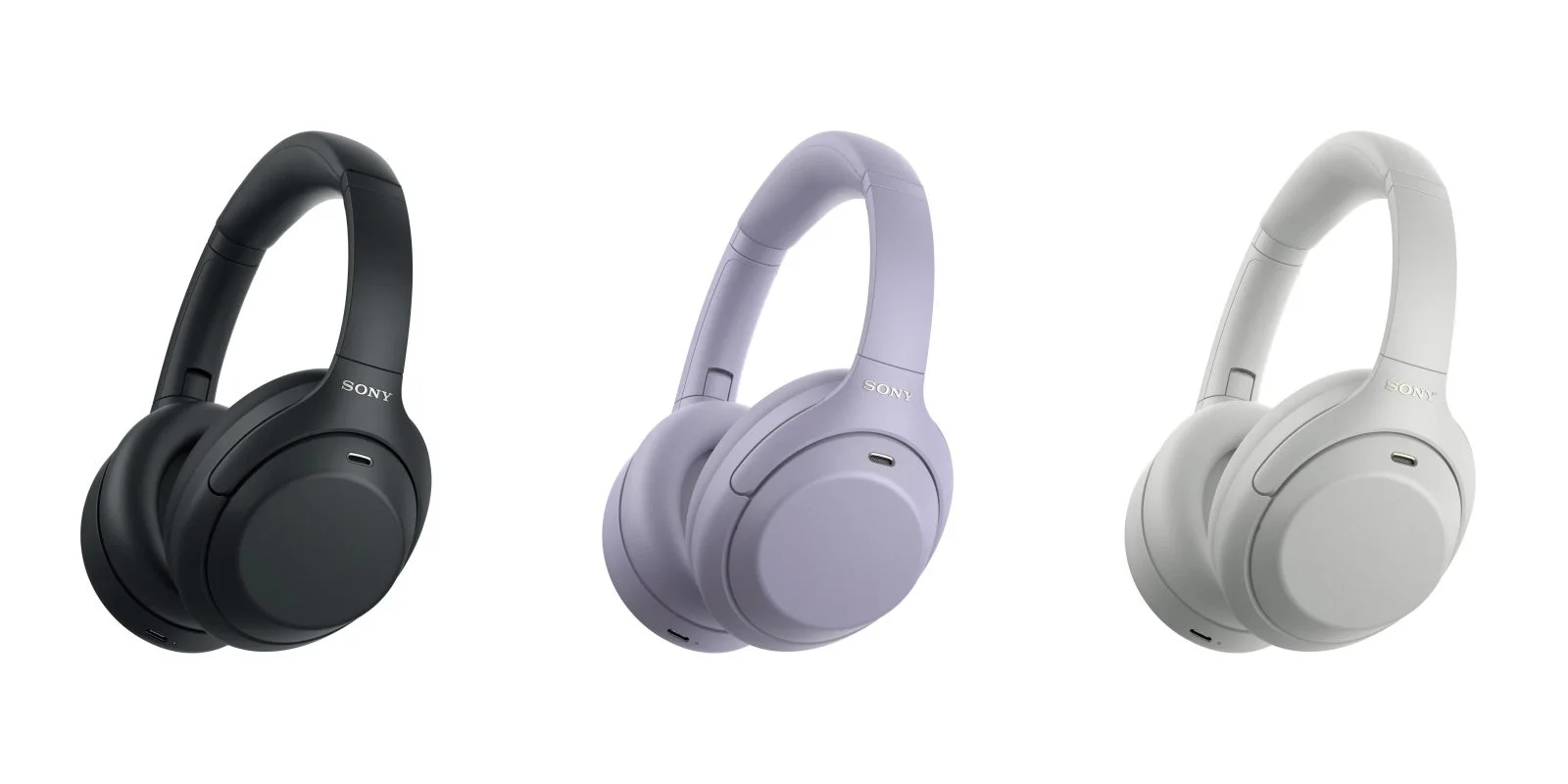
Sony is gearing up to re-release its 2020 over-ear WH-1000XM4 headphones, a move that has caught the attention of audio enthusiasts. The refreshed model will sport new color options, including “Platinum Silver,” Black, and Lavender, the latter not present in the original release. This re-introduction not only aims to appeal to existing fans but also seeks to capture the interest of a new demographic of consumers more attuned to color aesthetics.
Design Updates and Specifications
Update 8/19: As detailed by WinFuture, the latest images of the WH-1000XM4 reveal design updates but maintain the same internal specifications. The addition of new colors represents a subtle but significant shift in marketing strategy—merely tweaking aesthetics can reinvigorate a product line.
Originally leaked by Roland Quandt, the new information confirms the headphones would feature nearly identical hardware, although with a slightly diminished battery life of 34 hours—down from the original's 38 hours. This slight reduction in battery longevity might seem insignificant on the surface, but for devoted audiophiles and frequent travelers, every hour counts. A brand's reputation hinges on delivering valuable improvements, and while the color updates are enticing, the drop in battery life could raise eyebrows.
Price Positioning in a Competitive Market
So why return to an established product from six years ago? Pricing appears to be a key factor. While Sony’s current flagship model, the WH-1000XM6, is priced around $450, the new WH-1000XM4 will land at a much more appealing €249.99 / £219.99 in Europe, suggesting a U.S. price near $250. This pricing strategy is particularly interesting when considered against the backdrop of an increasingly crowded headphone market filled with competitors that offer both premium features and budget options.
Offering a high-quality product at a lower price can attract consumers who might be hesitant to invest heavily in audio gear. For example, brands like Bose and Apple have successfully captured significant market share with their premium-priced offerings. However, by positioning the WH-1000XM4 as a budget-friendly alternative, Sony is likely aiming to create a space for itself among more price-conscious consumers who still demand quality audio performance.
Launch Strategy and Timing
The headphones are slated for launch on September 7, just weeks away, targeting both loyal fans and newcomers who appreciate high-quality audio without the premium price tag. This timing could be strategic, aligning with back-to-school shopping or holiday buying patterns. Timing product releases around significant retail events often allows companies to capitalize on consumer purchasing behaviors, especially in the tech sector where new gadgets frequently draw attention.
Moreover, the existing familiarity with WH-1000 series models could lead to a smoother re-entry into the market. Consumers likely recognize the brand and the quality associated with it, which is beneficial in a landscape where brand loyalty is increasingly rare. If you're working in this space, you’ll want to pay attention to how marketing efforts emphasize these changes, particularly in light of new competitors emerging with unique offerings.
Implications and Future Outlook
What does this mean for the headphone market? Sony's move to refresh an existing product line like the WH-1000XM4 rather than debuting an entirely new model suggests a calculated approach to product management. With more companies adopting the strategy of iterative design—where existing products are refreshed with minor updates—it raises questions about innovation in the tech space. Are companies prioritizing short-term gains over long-term advancements in technology? And yet, for consumers, this approach means more choices at varying price points.
Additionally, the headphone category has undergone transformations. Noise-canceling technology and sound quality have reached new heights, challenging brands to constantly push their offerings. You can expect to see advancements that won’t only focus on hardware but also on software updates and integrations, such as improved connectivity and added features through firmware updates. What lies ahead could redefine what consumers expect from audio products, balancing innovation against familiarity.
(and this is the part most people overlook) The implications of Sony's re-release strategy might extend beyond immediate sales figures. It indicates a shift in how companies view consumer engagement and brand loyalty. By refreshing existing models rather than strictly chasing the creation of new ones, Sony could foster a more dedicated customer base—users who feel their preferences are being heard and catered to.
More on Sony:
- Sony’s updated over-ear headphones now come in ‘Olive Gray’ – ideal for matching with Pixel 11 [Gallery]
- Sony’s controversial ‘AI Camera Assistant’ for Xperia highlights a growing trend in subpar camera tech [Gallery]
- Sony Xperia 1 VIII showcases a redesign with flagship specs, priced from €1,500
Follow Ben: Twitter/X, Threads, Bluesky, and Instagram


FTC: We use income earning auto affiliate links. More.
Discussion
Sign in to join the discussion.