Samsung's upcoming event on August 27 will unveil the Galaxy S26 FE, but initial reactions suggest limited changes from prior models.
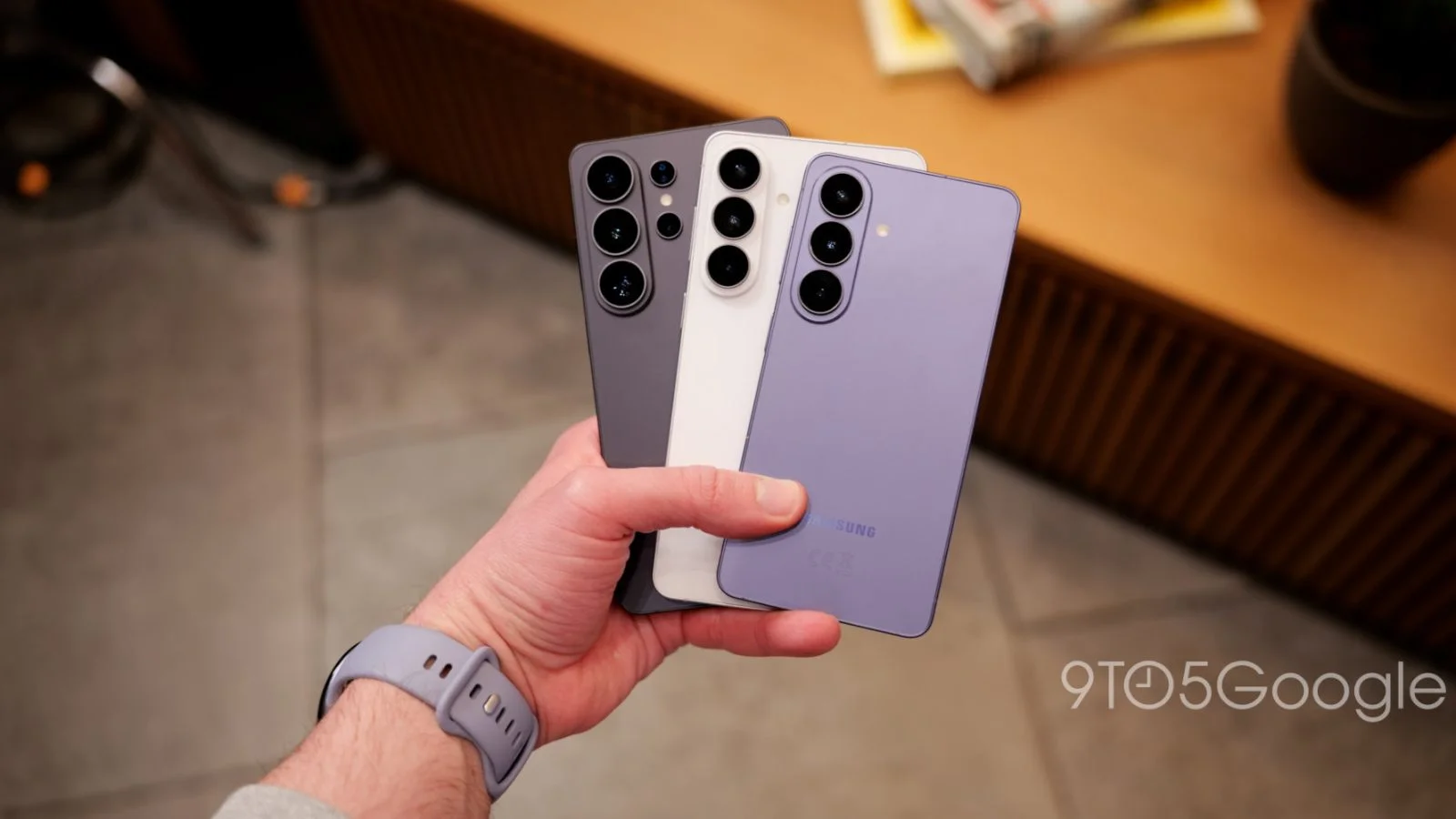
Samsung is set to introduce a new model in its Galaxy S26 lineup with an event scheduled for August 27. However, expectations for major surprises seem low.
The virtual event kicks off at 8 AM ET / 5 AM PT and can be streamed on YouTube. In their announcement, Samsung stated:
“On August 27th, Samsung Electronics will hold ‘Galaxy Event August 2026’ to introduce the newest addition to the Galaxy S26 family — designed to bring many Galaxy S26 experiences from camera to AI, along with the latest One UI, to those who look for what truly matters most to them.”
While this sounds enticing, the anticipated product is likely the Galaxy S26 FE.
What to Anticipate
The S26 FE aims to match the rest of the series with a slightly updated design, but the leaked specifications hint at minimal changes when compared to last year's Galaxy S25 FE. In fact, it seems the new model is only a refresh of an already modest upgrade.
Promotional images, reportedly featuring AI-generated elements, suggest a new camera module design and perhaps a light-green color scheme that has surfaced in earlier leaks. This camera update, while visually appealing, doesn't seem to suggest a significant leap in photographic capabilities. You'd have to wonder whether Samsung is prioritizing aesthetics over substantial hardware improvements.
Other Possibilities
There’s also a chance the event may reveal the Galaxy Tab S12 and some of Samsung's new Galaxy Buds, though specifics remain unconfirmed. This broader product reveal is typical for Samsung, which often aligns multiple product launches to create a cohesive branding experience. If you're working in this space, you might consider how this event fits into Samsung's larger strategy, which often includes bundling related product announcements to attract varied consumer segments.
Market Context
Samsung has a storied history of launching flagship devices that refresh often, yet the Galaxy S series tends to generate a buzz that exceeds the actual innovations introduced. An analyst might argue that the lack of significant upgrades risks diluting consumer interest. If customers don't see compelling reasons to upgrade from their existing devices, then Samsung faces the challenge of maintaining its market share amidst formidable competition, particularly from brands like Apple and Google.
The smartphone market has shown signs of saturation, especially in premium segments, where customers may hold onto devices longer. That hesitancy among buyers leads to a more calculated approach: does Samsung genuinely believe that slight design tweaks will drive purchases, or are they content to keep the product line steady while focusing on services and software enhancements?
Implications of AI Integration
One of the points Samsung highlights is the incorporation of AI features across its devices. That's an approach we're seeing more frequently not just from Samsung, but from tech companies across the board. AI can enhance user experiences—from camera processing that optimizes photos in real-time to assistant features that become increasingly integrated into daily smartphone use.
Yet, here’s the thing: while AI can certainly enhance user experience, there's skepticism about how much consumers want or need these features. Do they genuinely improve functionality, or are they simply marketing buzzwords? The answer has significant implications for Samsung's positioning in the marketplace. As their competition ramps up similar technologies, standing out will require more than just claiming AI capabilities. Effective implementation is the real challenge.
Anticipated Reception
Consumer reactions to the Galaxy S26 FE—and any additional announcements—will likely vary. Early indications suggest that the audience may have tempered expectations due to earlier product launches seen as lacking in transformative upgrades. Some may even question the necessity of a new release so soon after prior models. This is more significant than it looks, given that tech enthusiasts often serve as early adopters whose feedback can shape wider consumer sentiment.
If Samsung doesn't address these consumer anxieties, they risk appearing stagnant in a fast-moving industry. As tech evolves, companies like Samsung must find the balance between consistency and innovation, ensuring that both existing users and potential new customers feel engaged with their products.
Discussion
Sign in to join the discussion.