Google enhances user experience with personalized controls for Discover feeds and News audio briefings, allowing deeper content customization.
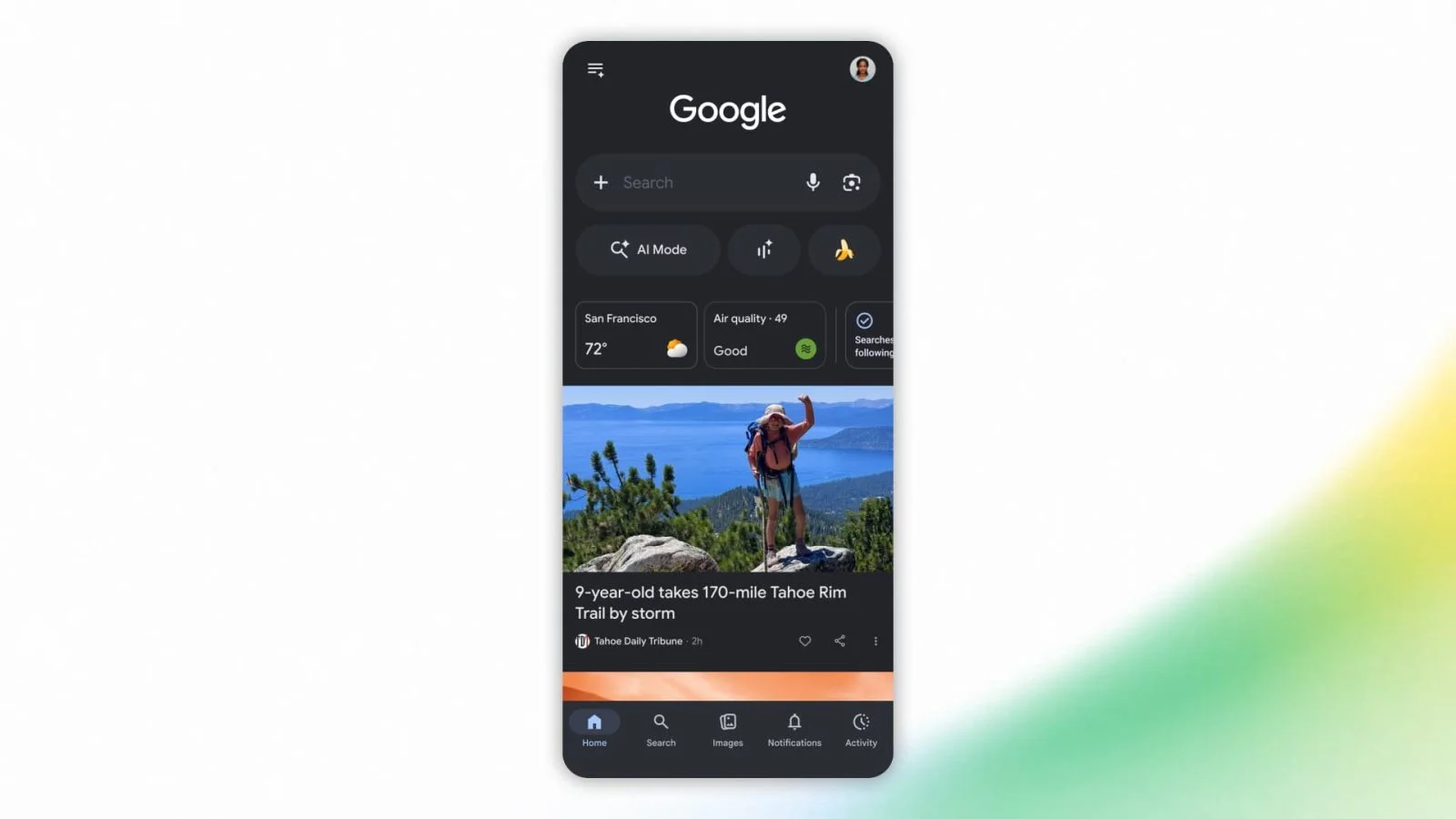
New Customization Features for Google Discover and News
Google has introduced significant updates to its platforms that allow users to tailor their Discover feeds and Google News audio briefings. This new functionality enhances user engagement by giving more control over the information they receive, which may help to combat the increasingly common problem of information overload. As people navigate through a sea of content, being able to sift through it effectively can make a real difference in user satisfaction.
Personalize Your Discover Feed
Users can now customize their Google Discover feed through a prompt-based interface. By providing specific topics or links they want to see—or not see—Google can adjust the content shown in real time. This interactivity is crucial; users are often overwhelmed by content that's irrelevant to them. The system will also ask follow-up questions to better understand user preferences, ensuring a more satisfying experience. Personalized feeds are appealing, certainly, but they also raise questions about echo chambers and the reinforcement of existing biases.
This approach allows for real-time adjustments, enabling Discover to align more closely with users' evolving interests.
To start customizing, users simply tap the three-dot menu or a designated prompt card. This might sound trivial, yet it's indicative of a wider trend where tech companies are seeking to put more agency into the hands of users. Testing for this feature began last year, and it is now being rolled out widely. By allowing users to directly influence what they want to see, Google is making a move that positions the platform as user-centric. But is it enough to cater to the growing demand for content curation?
Enhanced Audio Briefings in Google News
In addition to the Discover updates, Google News has revamped its daily audio briefings. Users can now select specific categories including Headlines, Entertainment, Sports, Science, and Technology, among others, to tailor their listening experience. Audio content is becoming increasingly vital, particularly as busy lifestyles demand more multitasking solutions. Google recognizes this, making it essential for them to stay relevant by improving user experiences across various mediums.
Within these categories, there are further options for refinement. For example, the Entertainment section allows users to focus on specific interests such as Movies, Music, or TV shows. This level of customization is a nod toward the notion that individualized content drives engagement. If you think about users perched on commute or during a workout, having a tailored audio experience could be a game-changer for how they receive news.
Tools for Publishers
Google also announced features for publishers, including a "Preferred Sources" button. This tool can be integrated into websites, allowing users to add their favorite publication as a source. This action connects users directly back to the last content viewed on the publisher's page, enhancing the reader's experience while browsing through Google’s top stories. Publisher tools are not just a nice-to-have; they’re essential in today's market where competition for user attention is fierce.
These upgrades reflect Google's commitment to providing users with a more tailored and engaging news consumption journey. Yet, the real underlying question remains: does this translate to more significant business benefits for publishers? If users are drawn deeper into the Google ecosystem for news, will they still venture out to other less-optimized platforms?
Implications and Future Outlook
This move by Google exemplifies an ongoing trend in tech: the need for personalization. But it's also a double-edged sword. By offering such customizations, Google stands to improve user retention and satisfaction. If you’re working in this space, you can't overlook the implications of these changes. Tailored content can create a more engaging user experience, but it also raises ethical considerations regarding information consumption. The ability to filter out noise is welcome, but it can also lead to a disconnect from broader perspectives.
In the future, we could see other platforms implementing similar features, as personal curation becomes the expectation rather than the exception. What this means for you, particularly if you’re a user or a content creator, is that you'll need to adapt to these enhanced offerings. For users, it may mean a highly tailored experience that feels satisfying. For content creators, it underscores the necessity of quality and relevance in an increasingly segmented audience. Plus, there’s the operational impact: platforms will need refined algorithms capable of meeting individual user preferences without sacrificing diversity of content. That's a tall order and could prove challenging down the line. Hence, while these features signify a positive trend, they also set high stakes for what comes next in terms of user expectations and content delivery.
Discussion
Sign in to join the discussion.