Google launches factory images for the Pixel 11 series, revealing software builds and device codenames ahead of public availability.
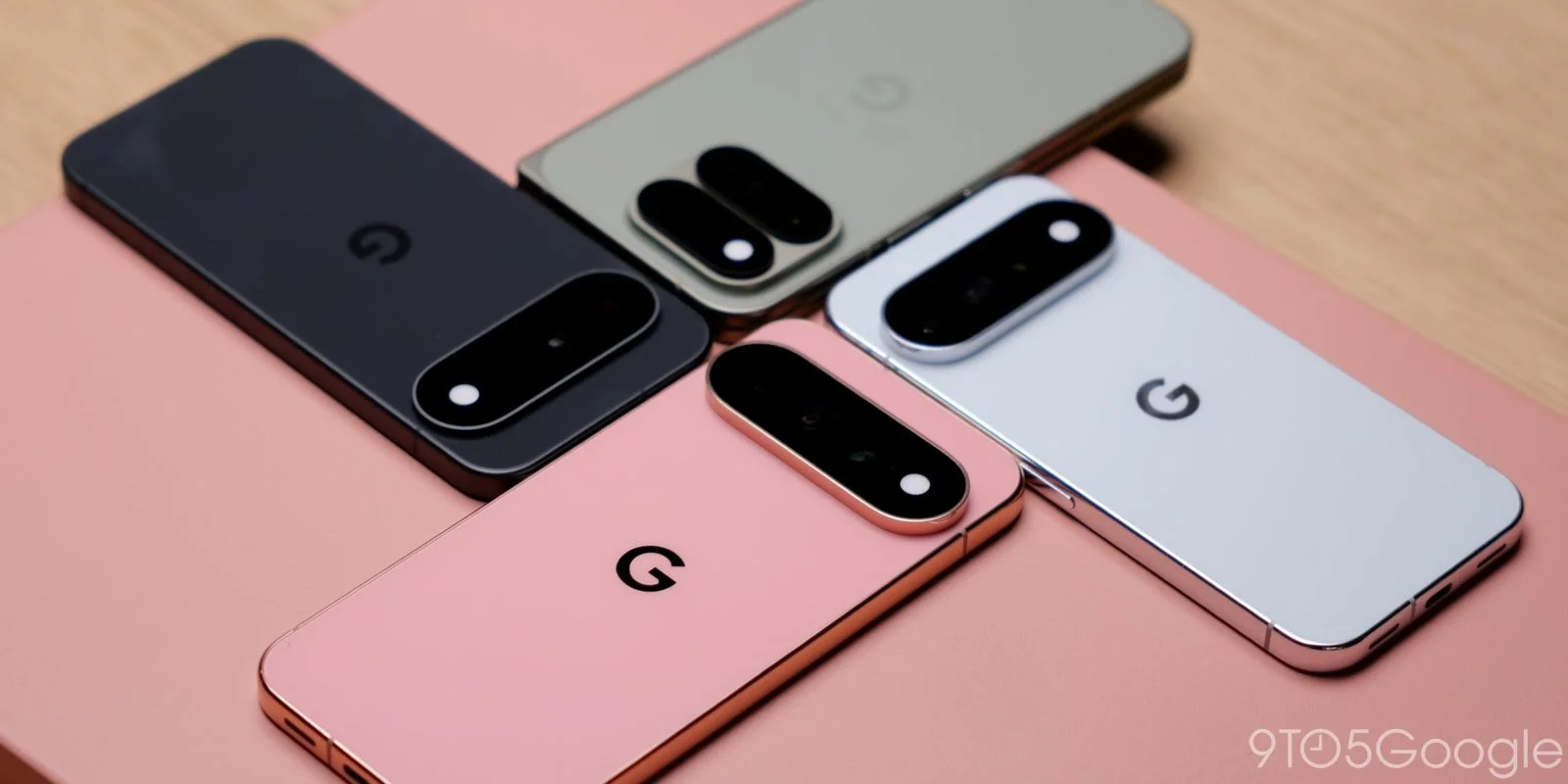
Pixel 11 Series Launch Details
Today marks the official release of Google's Pixel 11 series, and with that, the tech giant has rolled out factory images for all models. For enthusiasts and tech-savvy users, the availability of these factory images is much more than just a minor detail. These images function as a safety net for users to restore their devices to the original firmware, especially if any software issues arise post-launch. Given the increasing complexity of smartphone software, having the option to revert to a stable version is not just convenient—it's essential for maintaining a good user experience. The release of the Pixel 11 series is part of Google's ongoing strategy to solidify its presence in the competitive smartphone market, and these factory images reflect that commitment.
Available Factory Images
Each Pixel 11 model features three distinct builds:
- CD1A.260618.001.A7
- CD1A.260618.001.C2
- CD1A.260714.001.A9
These versions come with Android 17 and include the August 2026 security patch, a noteworthy feature that underscores Google's dedication to security and timely updates. However, Google has yet to clarify the specific carrier or region for each build, which raises questions about its transparency in rollout processes. In the U.S., users on Google Fi will be updated to A9, but what about those using other carriers? Inconsistent rollout times can lead to user frustration, especially for ardent fans of the brand who expect to be at the forefront of updates.
Installation Recommendations
While the factory images are available, Google advises users to sideload the complete OTA image, which can also be accessed today. This might offer a simpler route to installing the latest updates. Yet, there's a layer of irony here: recommending sideloading is a double-edged sword. On one hand, it promotes user engagement and technical knowledge; on the other, it could alienate less tech-savvy users who may find the process daunting. What's crucial here is finding a balance between encouraging advanced users and ensuring accessible updates for the broader user base. If you're working in this space, you'll know that consistent communication and clear instructions can make or break user satisfaction.
Device Codenames
The codenames for this series are themed around bears, which adds an element of quirky branding that Google seems to enjoy. The models in the Pixel 11 series are creatively named as follows:
- Pixel 11: cubs
- Pixel 11 Pro: grizzly
- Pixel 11 Pro XL: kodiak
- Pixel 11 Pro Fold: yogi
This thematic approach reflects a broader trend in tech where companies often employ playful codenames to connect with consumers on a more personal level. It can also serve as a clever marketing tactic, making the devices feel more approachable. However, there’s a limit to how much branding can influence purchasing decisions. The specs, performance, and software stability of these models really speak volumes when consumers make their choices.
Android Beta Program Status
As of this launch, the Pixel 11 series isn’t part of the Android Beta Program for QPR1 or QPR2 updates. Users will need to wait for these updates to become available in the standard rollout. This omission might come as a disappointment to some loyalists who enjoy testing beta versions and being among the first to explore new features. This is another area where Google could easily improve. Offering early access can significantly bolster user loyalty and engagement with the device ecosystem. Yet, by holding back on beta access, Google may be prioritizing stability over community involvement, which is a gamble.
Significance and Future Implications
The launch of the Pixel 11 series is significant not just because of the new hardware and software but also because it represents Google's vision for its smartphone future amidst fierce competition from players like Apple and Samsung. How well this series performs in the market will likely dictate Google's strategy moving forward, especially in terms of software updates and user engagement strategies.
What's interesting here is the way the Pixel line has evolved. Initially, it was seen as an experiment in blending hardware and software; now it has become a vector for Google to showcase its AI capabilities and software innovations. But can this strategy hold up in a market that is increasingly saturated with options? If history repeats itself, the success of the Pixel series will hinge not just on immediate sales but on the long-term perception of durability and user experience. And this is the part most people overlook—the narrative that consumers build around a brand often leads to loyalty that outlasts initial sales spikes.
In the weeks ahead, tracking user responses and feedback will be paramount. Issues in the initial launch phase could overshadow the enthusiasm surrounding the device if not handled promptly. Google has a chance to set a precedent here. Delivering prompt updates, clear user guidance, and responsive community engagement could transform how its devices are perceived—both as products and as part of a larger ecosystem. That's the real stakes in play here, isn't it?
Discussion
Sign in to join the discussion.