The anticipated "Pixel Watch Ultra" could benefit from Fitbit Air's sleek design and functionality, addressing the need for a rugged sports smartwatch.
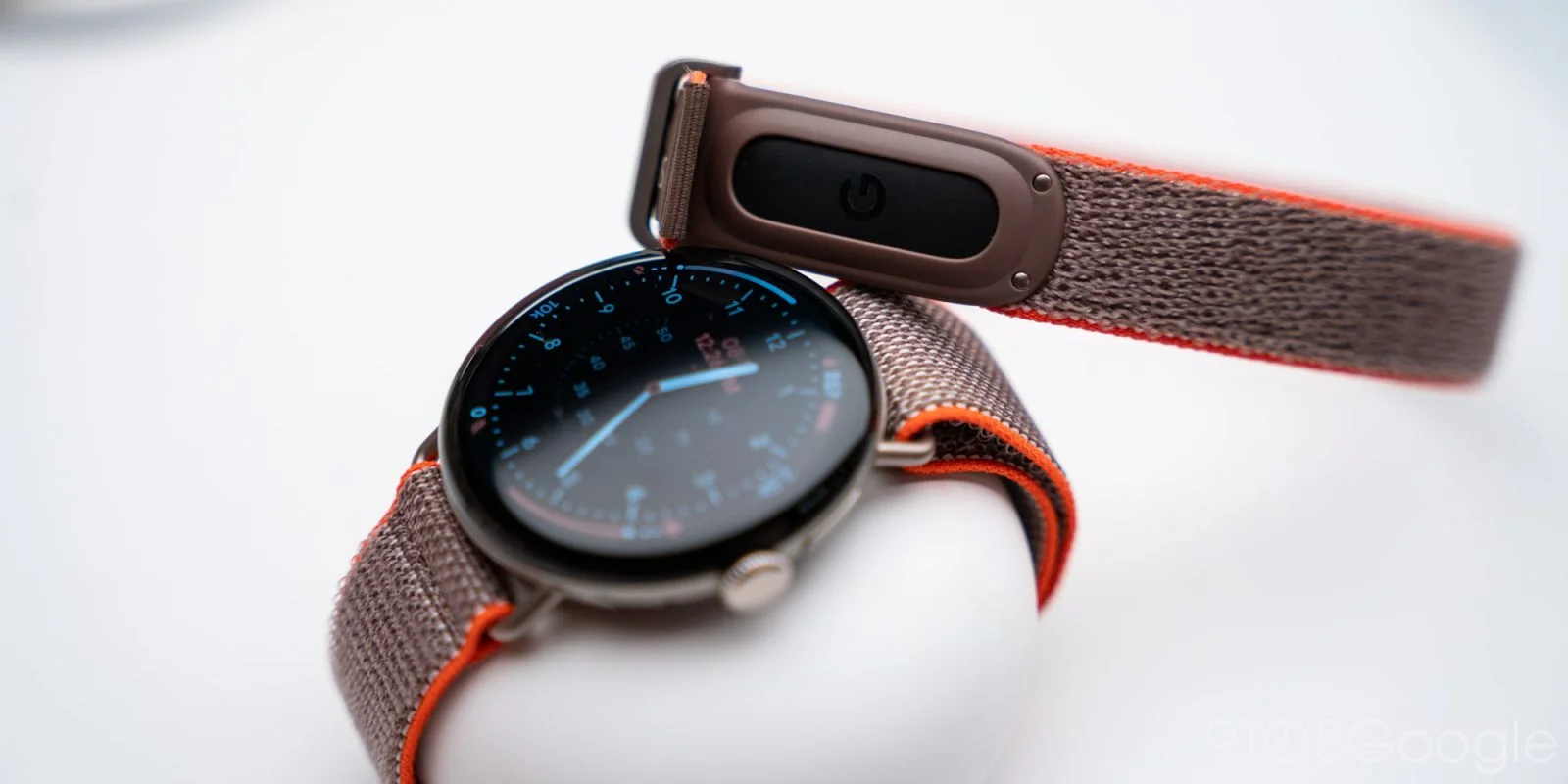
As Google prepares to potentially enter the realm of "Ultra" smartwatches, a future "Pixel Watch Ultra" must draw inspiration from the successful Fitbit Air. This move appears increasingly plausible as the Pixel Watch series evolves to meet consumer demands. Google's entry into this segment could reshape its brand image in wearable technology, an area where it has historically lagged behind competitors.
The appeal of "Ultra" smartwatches like the Apple Watch Ultra and Galaxy Watch Ultra often baffles me. While these devices boast impressive capabilities—ranging from advanced health tracking to rugged outdoor features—the reality is that most users rarely utilize their full feature set. It's something many users overlook: features that seem attractive on paper don't always translate into daily use. Despite this, such products have gained popularity, making a stronger case for Google to explore a similar approach with its Pixel smartwatch offerings. If users gravitate toward premium options, Google can't afford to ignore this trend.
Currently, the Pixel Watch occupies an odd space in the market. Positioned as a fitness-oriented device, its sophisticated design sometimes feels misplaced in rugged activity environments. It’s adorned with a domed glass that's not as scratch-resistant as sapphire, raising concerns about its durability during sports or outdoor activities. This design choice, while aesthetically pleasing, can be a liability; users engaged in more robust physical activities might find themselves anxious about damaging the watch. While it is undeniably stylish, its aesthetic seems more suited for casual wear than active use. There's a contradiction here: a fitness watch that users might hesitate to wear in the gym or on a trail.
Shifting Towards a Sports-Focused Design
The introduction of a "Pixel Watch Ultra" could signify a significant departure from the current design. A more sports-centric version would require rethinking the Pixel Watch's signature look—perhaps eliminating the polished pebble shape in favor of a more rugged, industrial aesthetic that conveys a sense of toughness. This transition isn't merely cosmetic; a functional design will speak to a target audience that values durability as much as they value style.
In my view, emulating the design characteristics of the Fitbit Air would create a compelling alternative. The successful design of the Fitbit Air features a smart band that allows for the core unit to be easily swapped out. This approach not only enhances customization but also allows users to adapt their watch to various activities—be it a relaxed day out or an intense workout. A similar approach for a sporty Pixel Watch makes sense, enabling a durable outer case to protect a sapphire or ceramic display while maintaining the flexibility of customizable bands. (And this is the part most people overlook: usability can often trump high-tech features.)
This shift in design could transform the Pixel Watch into a formidable competitor against established names like Samsung and Apple. It's essential for Google to deliver a product that not only cuts a striking figure but also withstands the wear and tear associated with active lifestyles. If you're working in this space, you know that aesthetics will only get you so far; practical durability and performance must also be at the forefront. Investors and consumers alike will be watching closely.
What’s Next for Google’s Wearables?
Will we see a more athletic-oriented Pixel Watch in the near future? The growing demand for competitive sports-focused devices suggests it's a likely scenario. The market has clearly indicated a preference for wearables that can adapt to both leisure and high-performance environments. Anticipation is building; however, it's equally possible that Google may opt to expand its offerings in the fitness tracker category instead. This could lead to the introduction of models that offer helpful screen functionality without necessarily stepping into the premium smartwatch arena.
This potential direction indicates a significant opportunity for Google to innovate and differentiate its smartwatch lineup further. The messaging around this new product will be vital—if Google wants to position itself as a serious player in wearables, it must instill confidence in consumers looking for something beyond just another tech accessory. Looking towards the future, enhancing existing designs while introducing new concepts like a sport-friendly Pixel Watch could help Google carve a niche in the increasingly crowded smartwatch market. Many companies dominate this space already, so Google can’t merely catch up; it must innovate in a way that resonates with users.
Implications and Future Outlook
The landscape for smartwatches isn't static; consumer preferences are evolving rapidly. If Google successfully introduces a sports-centered Pixel Watch, it could redefine what users expect from a smartwatch. Health and fitness priorities among consumers are peaking, especially post-pandemic, leading to a more discerning buyer. The numbers here are underwhelming for many existing options, suggesting that an entry from Google could fill a niche that remains largely untapped.
In summary, the next iteration of Google's smartwatch could draw from the successful features of the Fitbit Air and develop a sporty, stylish alternative. Whether this comes to fruition remains to be seen, but the opportunity is ripe for taking. For Google, the stakes are high; this could be their chance to reshape the conversation around wearables while addressing both aesthetics and functionality in an increasingly competitive market.
Discussion
Sign in to join the discussion.