Bitcoin sees its first decline of 2026 amid significant ETF filings by Morgan Stanley, while Ethereum achieves record transaction volumes.
Market Fluctuations
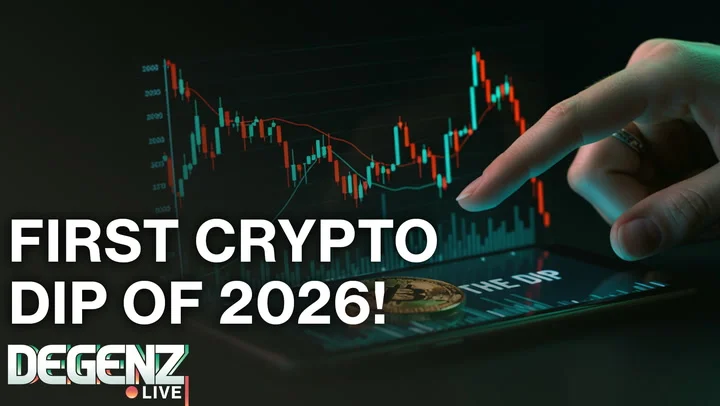
In a notable turn, major cryptocurrencies experienced their first drop in 2026. Bitcoin fell by 2%, settling at $92,000, while Ethereum decreased by 1% to $3,210, and Solana also saw a 1% dip, landing at $138. XRP is down 5%, quoted at $2.24.
Market fluctuations are common characteristics of cryptocurrency prices, which are notoriously volatile. The drop in prices comes after a bullish market cycle where investors may have pushed valuations to unsustainable levels. For many analysts, this isn't just a blip; it's a reflection of a shifting momentum in the market as traders reassess their positions. Speculation often drives these values more than fundamental use cases, especially with the growing interplay of institutional investments and retail speculation.
Factors like macroeconomic indicators, regulatory news, and technological developments can contribute to such downturns. With rising interest rates in various economies, particularly in the U.S., many investors might be pulling back from high-risk assets like cryptocurrencies to favor more stable investments. This trend can send ripples through the crypto market as confidence wavers among investors. If you're working in this space, understanding these dynamics is key to navigating the turbulent waters of crypto investments.
Morgan Stanley's ETF Move
Amid these shifts, Morgan Stanley has filed for exchange-traded funds (ETFs) for Bitcoin, Ethereum, and Solana, indicating a serious commitment to the evolving crypto landscape.
This ETF filing is significant for several reasons. Firstly, ETFs in traditional finance represent a way for investors to gain exposure to assets without directly owning them. If approved, these funds could attract a wave of institutional money into the cryptocurrency market, which could potentially stabilize prices and enhance market credibility. Similar applications in the past, such as the explosive response to Bitcoin ETFs in Canada, showed how quickly investor sentiment can shift.
However, the backdrop isn't entirely favorable. Previous attempts to establish Bitcoin ETFs in the U.S. faced considerable scrutiny from the SEC, reflecting underlying concerns about market manipulation and investor protection. Morgan Stanley's move might signal increased confidence in regulatory clarity or simply be a strategic move in anticipation of favorable conditions. That said, many in the investing community will be watching closely, as the approval or denial of such ETFs often sets the tone for the entire market.
Legislative Developments
Looking ahead, the U.S. Senate Banking Committee has arranged a pivotal vote next week concerning the crypto market structure bill, which could significantly impact regulation and investor confidence.
This proposed legislation represents a critical moment, as it aims to establish clearer guidelines for cryptocurrency operations within the U.S. market. Currently, the regulatory environment is patchwork and ambiguous, leading to uncertainty that can disadvantage both established companies and startups trying to innovate in the space. A well-defined regulatory framework would potentially pave the way for the kind of institutional investment that has been lacking, which could, in turn, stabilize the marketplace.
However, much depends on the specific provisions of the bill. While some advocates of the cryptocurrency industry argue for lighter regulations that foster innovation, traditional financial institutions frequently call for stricter rules to prevent fraud and abuse. Compromises will likely be needed to craft a bill that earns bipartisan support, which is often easier said than done in the current political climate. And yet, if the bill fails to pass or is significantly altered, it could result in further hesitation among investors, exacerbating the existing market volatility.
Hyperliquid and Market Speculation
Hyperliquid has outlined a progress map, stirring speculation about an upcoming airdrop. Simultaneously, Nike's divestment from RTFKT has led to a staggering 250% surge in Clone X’s value.
Speculation plays a massive role in the cryptocurrency ecosystem, causing prices to sway drastically based on announcements or rumors. Hyperliquid's potential airdrop captures interest because these events can create short-term surges in trading volumes and prices. Airdrops reward holders with free tokens, often enhancing community engagement and retention—but they can also lead to subsequent sell-offs once the initial hype fades.
The sudden rise in Clone X’s value following Nike’s divestment illustrates another facet of this speculative environment. The community's perception of value and utility can shift rapidly based on corporate moves. When a well-known brand like Nike pulls back from a project, it raises questions about the project's future—but it can paradoxically boost interest among other investors who see a potential for reinvention under new ownership. This kind of volatility underlines the importance of thorough risk analysis for anyone participating in the crypto market.
(And this is the part most people overlook) While some might view these fluctuations as ripe for quick profits, they often come with risks that aren’t immediately visible. Investors need to evaluate their positions and be cautious amid this relentless churn of speculation.
Ethereum's Achievement
On a more positive note, Ethereum's network usage has hit an all-time high, surpassing two million daily transactions, highlighting its growing adoption in digital finance.
This accomplishment showcases Ethereum's resilience and its adaptability as a foundation for decentralized applications and financial services. High transaction volumes often indicate robust activity within the network, a clear sign that developers and users are increasingly leveraging the platform for various financial operations. As decentralized finance (DeFi) continues to expand, Ethereum's role as a leader in this sector is becoming more pronounced.
Yet, the scalability issues that have plagued Ethereum for years remain a concern, prompting discussion about the need for second-layer solutions. As traffic surges, transaction fees can spiral, making small transactions less viable. If Ethereum can continue to innovate and effectively address these challenges, it could solidify its place in the ecosystem, further attracting institutional interest. But if these issues are left unaddressed, other platforms are eager to capitalize on Ethereum's shortcomings.
Telegram's Profit Sharing
In financial news, Telegram revealed that it generated $450 million from its TON over the past year, marking a successful venture into crypto for the messaging platform.
This financial milestone emphasizes how non-traditional tech companies are increasingly exploring blockchain and cryptocurrency solutions. It reflects a growing trend where platforms that already have substantial user bases leverage their technology to create new revenue streams. Telegram's move into this territory isn’t just a financial win; it indicates a broader pivot in the tech and messaging landscape toward blockchain solutions.
However, like all ventures into cryptocurrency, it brings its own set of challenges. The interaction of regulatory scrutiny and user trust will play pivotal roles in the sustainability of such initiatives. As Telegram continues its foray into this space, it will need to navigate the complexities of digital assets, ensuring user safety while also remaining competitive.
Implications and Future Outlook
The current market fluctuations, coupled with major institutional movements like Morgan Stanley’s ETF filing, indicate shifting dynamics in the crypto sphere. Investors may feel unsettled now, but these developments could lead to deeper market maturity in the coming years.
Regulatory clarity, particularly with the Senate Banking Committee reviewing the crypto market structure bill, may just be the catalyst for a new phase of growth. If the legislation addresses investor protections while encouraging innovation, it could provide a fertile ground for cryptocurrencies to flourish.
That said, speculative behavior remains a double-edged sword. While it can lead to thrilling price surges, it also increases the likelihood of harmful market corrections. As platforms like Hyperliquid and established players like Ethereum shape the future of finance, the balance between excitement and caution will be crucial. The decisions made today by companies and legislators will significantly influence the crypto space tomorrow, potentially leading to a landscape where cryptocurrencies are not just assets but integral components of financial systems worldwide.
Discussion
Sign in to join the discussion.