Major cryptocurrencies experience stability, while new initiatives emerge and regulatory clarity boosts Coinbase's outlook.
Market Movements
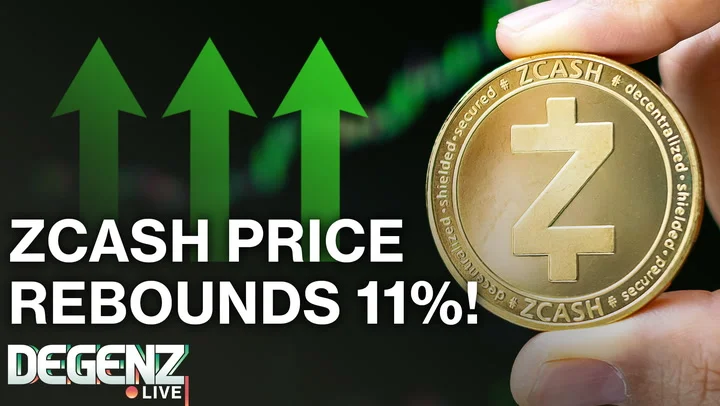
As the cryptocurrency sector braces for today’s Supreme Court ruling on trade tariffs, major cryptos are mostly holding steady amid a climate of uncertainty. Bitcoin sees a slight gain of approximately 1%, priced at $90,300, while Ethereum jumps by about 13% to $3,090. Emerging altcoins are also making headlines: Zcash and Polygon each rise by 11%, while Syrup adds 7% to its value.
What's interesting here is that movements in cryptocurrencies don’t always correlate directly with traditional market trends. Traders often view crypto as a separate entity, which can lead to distinct patterns of resistance or growth. This hesitance can often stem from trepidation regarding government actions, hence the anticipation surrounding the Supreme Court's decision on trade tariffs. The ruling could influence how cryptocurrencies are taxed and regulated, which may have broader effects on market behavior.
But here’s the thing: despite the slight gains, some market analysts argue that these fluctuations don’t indicate a substantial recovery or stability. The volatility is expected to persist. Investors remain cautious, and bullish momentum can easily dissipate if macroeconomic indicators signal trouble. If you're working in this space, keep an eye on regulatory news and global market fluctuations as they will likely dictate the next wave of investment trends.
Analyst Insights
JPMorgan suggests that the recent sell-off in Bitcoin and Ethereum could be stabilizing as market conditions show signs of improvement and less downside pressure following early-year declines. Bank of America analysts have upgraded Coinbase to a buy rating, citing increased regulatory clarity and escalating institutional adoption as factors enhancing long-term earnings potential.
This optimism from major financial institutions contrasts sharply with earlier sentiments that described cryptocurrencies as experiencing a "Winter" phase—marked by lackluster trading volumes and investor skepticism. Increased regulation could indeed provide a framework that reassures investors. Institutional support is critical; when firms like JPMorgan and Bank of America maintain a positive outlook, it could bring back retail investors who fled during downturns. What's more, Coinbase's upgrade reflects a growing belief in exchanges as fundamental components of the digital economy.
Still, it’s not all sunshine and rainbows. Many analysts are skeptical about whether the current uptrend is sustainable. Any future downturn could erase gains swiftly, especially if regulatory frameworks impose unforeseen hurdles. After all, the crypto market thrives on speculation, and clarity can be a double-edged sword.
New Ventures and Legislative Initiatives
On the technological front, Morgan Stanley is gearing up to introduce a digital wallet later this year, which aims to support tokenized assets, including equity from private firms. In legislative news, Florida legislators are intensifying their efforts to establish a Bitcoin reserve for the state. Furthermore, Ethereum appears to be free of restrictions as its validator exit queue is now fully cleared, easing previous delays for staking protocols. Meanwhile, Polygon Labs has launched an open money stack initiative designed to optimize stablecoin transactions and is reportedly nearing an acquisition of Coinme, a prominent Bitcoin ATM operator.
These initiatives highlight a trend: institutions are beginning to view cryptocurrencies not just as speculative assets but as viable financial instruments with practical applications. Morgan Stanley’s digital wallet is particularly noteworthy. If successful, it could change how both private firms and individual investors engage with tokenization. There’s also something inherently significant about Florida's push to adopt Bitcoin within its reserve system; it signals a pioneering spirit among states to experiment with cryptocurrency at a governmental level.
And yet, innovation comes with its challenges. As new ventures emerge, they must navigate the turbulent waters of regulation and public perception. By offering tools that could integrate tokenized assets into everyday finance, these developments could further sway public opinion toward acceptance. But will the state-level initiatives align with federal guidelines? (And this is the part most people overlook.) Adjustments in policy could make or break the success of these new technologies. So while these innovations ignite excitement, their ultimate impact will depend on the environment in which they operate.
Political Reactions
In a notable political development, former President Trump has stated he will not grant a pardon to FTX founder Sam Bankman-Fried. This marks a significant moment amid ongoing discussions regarding cryptocurrency regulation and ethics, serving as a reminder of the contentious relationship politics and finance can have.
Bankman-Fried's situation exemplifies the complex reality that surrounds the cryptocurrency market. High-profile bankruptcies and legal issues bring to light serious questions about accountability and integrity within the space. While many in the industry argue that regulation will shield consumers and the financial system from misconduct, others view it as an encroachment on innovation.
What this means for you is multifaceted: if you’re following this narrative, keep an eye on how political sentiments shift. They can heavily influence market dynamics, altering perceptions of risk and investment viability. The scrutiny surrounding Bankman-Fried will also change how future entrepreneurs in the crypto realm approach compliance and governance. People are starting to understand that with great opportunity comes great responsibility.
Future Outlook
The combined insights from market movements, legislative efforts, and political reactions point toward a growing complexity in the cryptocurrency ecosystem. The current ramp-up in prices and institutional interest signals that digital currencies are transitioning from niche speculative assets to more mainstream financial instruments. However, a cautious outlook remains imperative. If the Supreme Court ruling influences tariff policies surrounding cryptocurrencies, we may witness new shifts that could either bolster or stifle growth.
As the landscape develops, it will be critical to monitor how innovations from financial institutions like Morgan Stanley and movements from state governments like Florida shape the regulatory framework. Cryptocurrency isn’t just a trend; it’s evolving into a staple of modern finance. But the balance between innovation and regulation could determine who ultimately benefits from this rapidly changing market. One thing is for sure: the future won’t be boring.
Discussion
Sign in to join the discussion.