Bitcoin hits a two-month high at $96,750 amid market movements, while Coinbase's legislative stance prompts Senate delays on a key crypto bill.
Market Movements in Cryptocurrency
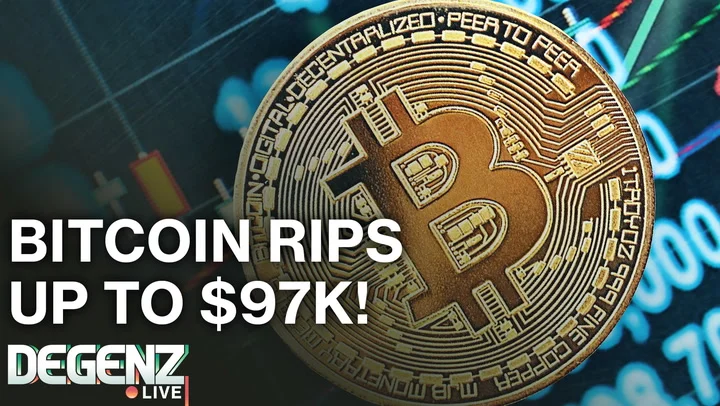
Bitcoin recently surged to a two-month high, trading at $96,750, reflecting a 2% increase. This uptick in Bitcoin's price signals an interesting moment for the entire cryptocurrency market. Bitcoin often sets the tone for other cryptocurrencies, so its price fluctuations can have a domino effect across the board. Ethereum also rose by 2%, reaching $3,360, continuing to cement its status as the second largest cryptocurrency by market capitalization. This kind of growth typically indicates renewed investor interest, which might be driven by various factors, including institutional adoption or signals from broader financial markets.
In contrast, XRP experienced a slight decline of 1%, settling at $2.11. The factors contributing to XRP's drop are often multifaceted—ranging from ongoing legal struggles with the SEC to shifting investor sentiment. Other notable performers included Decred with a significant +30% increase, Dash up by 10%, and both Internet Computer and Zcash each gaining 10% and 7%, respectively. These gains hint at a broader acceptance and enthusiasm for altcoins among traders, perhaps fueled by speculation or unique features these coins bring to the table.
Meanwhile, Monero briefly hit an all-time high of $800 before dropping back down to $725. Monero's volatility exemplifies why many traders are both attracted to and wary of cryptocurrencies. Its privacy-focused features often draw in users looking for anonymity in transactions, but this can lead to sharp price swings as demand changes rapidly (and this is the part most people overlook). If you're working in this space, understanding these dynamics is vital for gauging both risks and opportunities.
Legislative Developments
Coinbase made headlines this week by withdrawing its support for the Senate’s proposed crypto market structure bill, citing substantial reservations with the current draft. The implications of this withdrawal should not be underestimated. Regulatory frameworks are becoming increasingly important as governments worldwide aim to establish clearer guidelines for cryptocurrencies. Coinbase's decision has led the Senate to postpone the vote on the bill—a significant development considering how much momentum that legislative effort had.
This type of pushback from major players could indicate broader concerns around how regulations may stifle innovation or cause fragmentation within the crypto marketplace. Different countries have approached crypto regulation in varying ways; some adopt stricter measures while others are more lenient. This duality can create complexities that not only affect trading but also deter investments in specific jurisdictions.
Global Initiatives and Innovations
In other news, the Zcash Foundation announced that the SEC's investigation into Zcash has concluded without action. This outcome is a relief for Zcash supporters and could provide a stability boost for similar privacy-centric cryptocurrencies. However, it also raises questions about regulatory standards; what exactly does “without action” mean for the future of privacy coins in an environment where regulations could tighten at any moment?
Meanwhile, Ripple obtained a license in Luxembourg, marking a step in its European expansion efforts. This is a strategic move that may grant Ripple improved access to European markets, potentially allowing it to sidestep regulatory hurdles that have plagued its operations in the past. Such developments highlight how international expansion can be both a challenge and an opportunity for crypto firms seeking new avenues for growth.
In Pakistan, a partnership with World Liberty Financial is set to explore stablecoin applications for remittances and cross-border transactions. This initiative is particularly significant, as stablecoins are often lauded for their ability to reduce transaction costs and time delays inherent in traditional banking systems. Such developments are crucial for financial inclusivity, especially in regions where banking access may be limited.
The Human Rights Foundation awarded nearly $1.3 million in Bitcoin grants to initiatives supporting human rights and technology for freedom. This move reflects a growing intersection between technology and social issues. Donors and organizations increasingly recognize Bitcoin’s potential to support causes, even as it grapples with its own environmental criticisms.
Additionally, Figure recently launched a public equity network aimed at facilitating on-chain stock issuance. The juxtaposition of traditional equity markets with blockchain technology shows the ongoing trend towards merging the old with the new. This could revolutionize how stocks are traded, taking advantage of blockchain’s transparency and efficiency to introduce a more streamlined market.
Lastly, FTX is preparing for another phase of creditor payments, with distribution details scheduled for March 31, coinciding with Sui's platform recovery after a six-hour network disruption. For those keeping score, FTX won't soon become a cautionary tale; rather, its recovery efforts are an ongoing saga that reflects the volatile nature of the crypto realm.
Implications for the Crypto Market
The current movements and shifts within the cryptocurrency sector serve as a strong indicator of its volatile nature. Price fluctuations, legislative changes, and innovative initiatives often intertwine, creating a complex but fascinating ecosystem. Traders and investors need to stay agile, as the market can change quickly based on external factors—such as regulatory announcements or geopolitical events.
What's significant here is the ongoing narrative around clear regulations versus innovation. If regulatory bodies can find common ground that fosters both growth and security, we might see a more stable market emerge. And yet, it's also a risky venture. The emphasis on privacy features, as seen with Zcash and Monero, may clash with regulatory needs for transparency. This dilemma might shape the future of various projects and their viability in the market.
As blockchain initiatives continue to proliferate, it raises a pivotal question: will we see mainstream financial systems embrace this technology fully, or will it remain a niche play? With global movements exploring crypto in different capacities, the answer will likely depend on how markets respond to both technological advancements and regulatory frameworks.
Discussion
Sign in to join the discussion.