Red Hat introduces an MCP server, enhancing AI interactions with Kubernetes clusters while ensuring security and control for administrators.
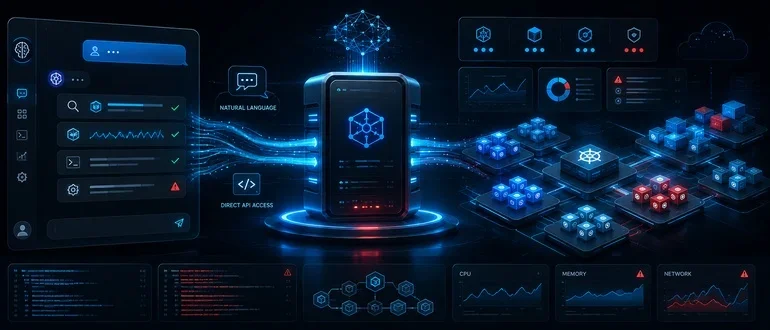
Red Hat is rolling out an open source Model Context Protocol (MCP) server extension designed to enhance the management of Kubernetes and OpenShift environments using AI tools. This new server allows developers and administrators to communicate directly with their Kubernetes clusters using natural language, simplifying tasks that typically require intricate command-line operations. The shift toward more user-friendly interaction models reflects a broader trend in technology, where the aim is to lower the barrier for entry into complex systems like Kubernetes, which many find intimidating.
Unlike other MCP implementations which often serve as wrappers around tools like kubectl or Helm, this server is built in Go and directly interacts with the Kubernetes API. This distinction offers users a more streamlined and efficient means of accessing information and executing commands across their clusters. The choice to build the server in Go isn't purely coincidental; Go has become the language of choice for many cloud-native tools due to its performance and concurrency features, signaling Red Hat's commitment to ensuring longevity and efficiency for its offerings.
Enhanced Interaction with AI
This extension facilitates the integration of AI-driven tools such as Visual Studio Code, Microsoft Copilot, and Cursor, enabling them to operate Kubernetes clusters in a more intuitive manner. For instance, an administrator could ask, “Show me all the pods in CrashLoopBackOff in the last 24 hours,” and the system would respond effectively, improving troubleshooting capabilities. The conversational nature of these commands could dramatically alter how those not intimately familiar with Kubernetes interact with the system, thus broadening its user base.
Originally conceived by Anthropic in 2024, the MCP specification serves to link applications powered by large language models (LLMs) with external tools and data sources. Red Hat's adaptation of this concept tailors it specifically for Kubernetes interactions, increasing both efficiency and accessibility. This strategic alignment shows Red Hat’s foresight in a landscape ripe for AI integration, indicating that broader shifts in technology aren't just impacting user interfaces but potentially the role of IT professionals altogether.
Security and Control
With a focus on security, the MCP server can be configured to operate within specific role-based access control (RBAC) permissions. Administrators can set it up to function in a read-only or non-destructive mode, allowing limited access that prevents any unwanted changes to the cluster. For organizations in sensitive environments, this offers peace of mind while still reaping the benefits of AI-assistive technology. It’s critical that security concerns are addressed head-on, especially as businesses navigate a landscape where data breaches and unauthorized access can lead to significant fallout.
Conversely, the server can default to a full access mode that grants LLMs the capability to perform important CRUD operations across all Kubernetes resources, including custom types. This flexibility means that organizations can tailor the MCP’s operations according to their specific security needs. But therein lies a potential pitfall: the broad access capabilities could be misused if not properly managed. Organizations must remain vigilant in setting appropriate parameters and monitoring interactions with their clusters.
Efficient Deployment
Designed to run as a single binary file with no external dependencies, Red Hat’s MCP server can be executed locally or within a Kubernetes cluster. It’s accessible through Streamable HTTP or Server-Side Events (SSE), promoting a user-friendly experience in its deployment. By reducing the complications typically associated with software installation and management, Red Hat positions its MCP server as a more approachable option for teams that might lack extensive DevOps infrastructure.
Red Hat has provided informative resources to assist users in setting up the MCP server efficiently. An introductory page details how to implement a read-only server for use with OpenShift 4.19 and VS Code, guiding users through common queries. Suggested commands allow administrators to retrieve essential information through simple prompts, making diagnostics straightforward. This tops user experience is vital in keeping adoption rates high, especially for companies still hesitant about fully embracing Kubernetes.
Competing Implementations
Other organizations are also exploring the MCP for Kubernetes management. Stacklok, for example, has launched a Go-based version known as mkp, while alternatives like MCP K8S Go and Microsoft’s own MCP Kubernetes implementation offer similar functionalities. This competitive atmosphere can lead to rapid innovation, pushing each player to differentiate itself through unique features or performance enhancements.
While these implementations bring unique features to the table, Red Hat emphasizes that its server’s direct interaction with the Kubernetes API is a significant advantage. This native approach can enhance operational efficiency and reduce complexity for developers managing cluster environments. Yet, this landscape is fluid; what might be a lead today could be challenged tomorrow as alternatives evolve and adapt. It’s a reminder that continuous improvement is essential in technology.
Implications and Future Outlook
As organizations increasingly rely on automated tools for managing cloud-native applications, Red Hat's MCP server appears well-positioned to streamline Kubernetes operations. This could ultimately allow IT professionals to focus on higher-level strategic tasks rather than getting bogged down in the mechanics of cluster management. If you’re working in this space, the ability to use natural language commands could be transformative, significantly raising productivity.
But here's the thing: the success of this server will depend on user adoption, algorithm improvements, and the ongoing evolution of AI technologies. While the current trajectory looks promising, it’s crucial to keep an eye on how competitors respond and how changes in security paradigms might affect deployment. In a technology space characterized by rapid change, adaptability will be key.
For further exploration, interested users can access the complete documentation and setup instructions through Red Hat’s platforms, which offer extensive details on employing the MCP server alongside various AI tools. The availability of robust resources will be fundamental in ensuring a smooth user experience and ultimately fostering broader acceptance within the Kubernetes community.
Discussion
Sign in to join the discussion.