The Apple Watch Series 10 introduces new bands that are compatible with older models, allowing users to refresh their look without upgrading.
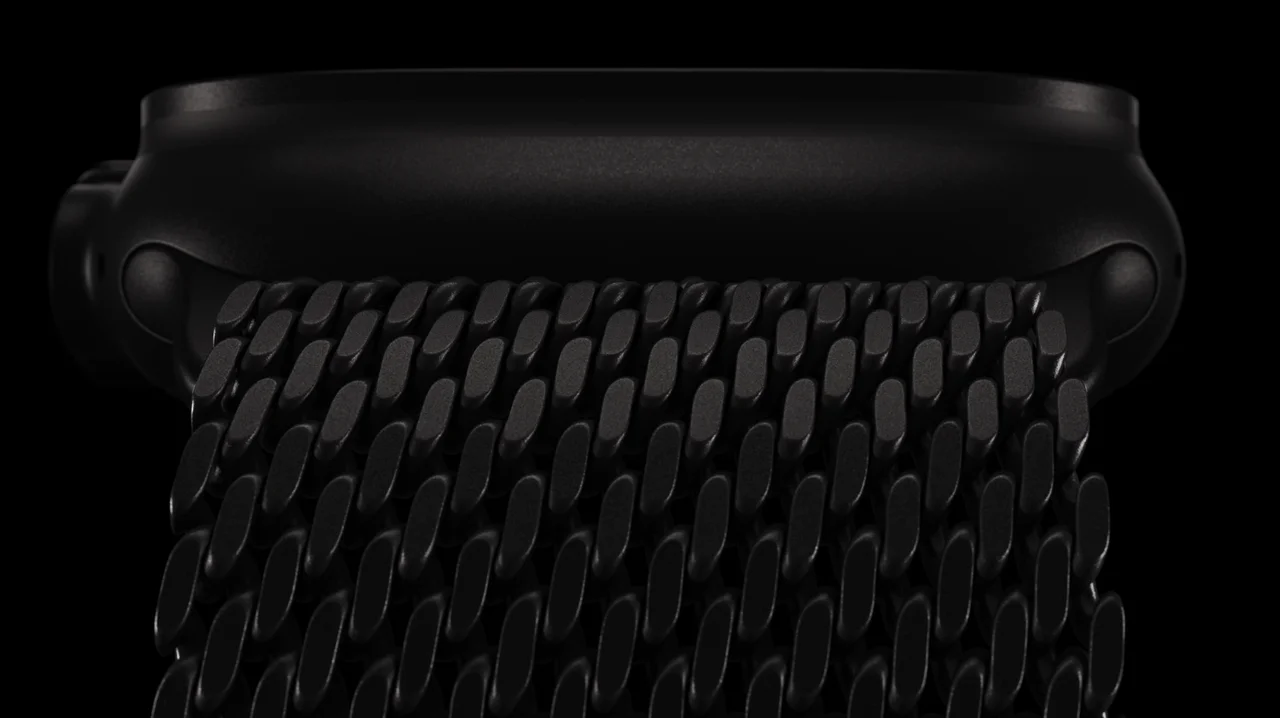
The Apple Watch Series 10 has arrived, bringing with it a fresh design and a suite of enticing features. This latest iteration marks a continuation of Apple's strategy to boost user customization without forcing consumers to invest heavily in new hardware. Importantly, all existing Apple Watch bands are confirmed to work harmoniously with newer models, a detail that enhances the overall value proposition for users who have built up a collection of accessories over the years.
A Thoughtful Design with Compatibility
This year's design changes extend beyond mere aesthetics. The Milanese Loop and Link Bracelet have stylishly updated to fit with the new titanium case options. By aligning colors and materials, Apple appears focused on fostering a sense of aesthetic cohesion among its products. This attention to detail could encourage users to experiment with their style, knowing their investment in bands won’t go obsolete every time a new model comes out.
Then there's Hermès, a brand synonymous with luxury, which has expanded its collection to include its first-ever metal band, called the “Grand H.” These offerings not only target high-end consumers but also highlight Apple's ongoing relationship with fashion brands, illustrating the company's commitment to merging technology with luxury lifestyle. This is a smart move; accessories often serve as a statement of identity for consumers.
And let’s not overlook Nike, which has rolled out vibrant new shades for its Sport Bands. These options cater to those who are adventurous, even if their excursions are more casual than extreme. Companies like Nike know that colors resonate with consumers, and that it’s not just about the functionality of a watch; it’s about how it fits into their life.
What's remarkable is the patience Apple exhibited leading up to the launch. Before the event, there were rampant speculations that changing the band connector might render older bands useless—a concern that proved to be unfounded. As it stands, all existing straps are still compatible with the newly introduced 42mm and 46mm models. This wisdom in design can’t be overstated; for those with substantial collections of Apple Watch accessories, this continuity is a relief.
More Apple Updates
The recent iPhone 16 unveiling introduced a variety of enhanced features as well. From improved camera controls designed for photography enthusiasts to more resilient displays across the iPhone lineup, Apple seems intent on satisfying both functional needs and aesthetic preferences. The introduction of a broader and bolder color palette caters to a wide range of consumer tastes, reinforcing Apple's strategy of personalization.
Shifts in the Apple Watch Series 10 also merit attention. With a larger, thinner screen coupled with improved internal speeds, the device is clearly positioned as a more appealing option for current users and potential buyers alike. The relocation of antennas to the back of the case clears up space and might even promise better performance. On a related note, the Apple Watch Ultra 2 has debuted its own new color selections but noteworthy is the absence of an announcement regarding the anticipated third-generation Apple Watch SE. This omission raises questions about the direction Apple is taking with its mid-range offerings.
Enhanced Audio Offerings
If you’re an audio enthusiast, Apple’s latest updates won't disappoint. The AirPods 4 now come equipped with active noise cancellation, which should please users who value an immersive audio experience. Interestingly, a lower-cost model priced around $129 will be forthcoming, though it won't feature this noise-cancellation technology. This appears to be a strategic move to appeal to budget-conscious consumers while still elevating its flagship products.
In addition, AirPods Max received a slight update to include USB-C integration, which many users had been requesting. Colors have been adjusted as well, potentially appealing to a wider range of tastes. Meanwhile, AirPods Pro 2 introduced fresh hearing technology, reinforcing Apple’s commitment to enhancing accessibility features. Here’s the thing: these updates signify more than just hardware changes; they're part of Apple’s long-term narrative of enhancing the user experience with every launch.
Implications and Future Outlook
So, what does all this mean for you? For consumers who rely on the Apple ecosystem, these updates not only enhance interoperability but also reframe Apple’s positioning in a saturated market where differentiation is pivotal. The focus on compatibility across devices indicates a strategic decision to retain customer loyalty; it’s less about pushing new sales and more about making existing products feel fresh and valuable.
However, a lingering question remains: will these updates be enough to keep pace with competitors, particularly as brands like Samsung and Fitbit continue to innovate? While Apple may have set the standard in several categories, standing still while others innovate isn’t an option. That said, the Apple Watch's slow but steady evolution is commendable—especially given its compatibility with legacy accessories—but consumers will watch closely to see how the company integrates new features in the future. The status quo won’t suffice indefinitely.
Stay updated with ongoing coverage of all announcements from the Apple iPhone 16 event.
Discussion
Sign in to join the discussion.