AirPods Pro 2 users can now access new features through the latest firmware update, including Siri interactions and improved audio capabilities.
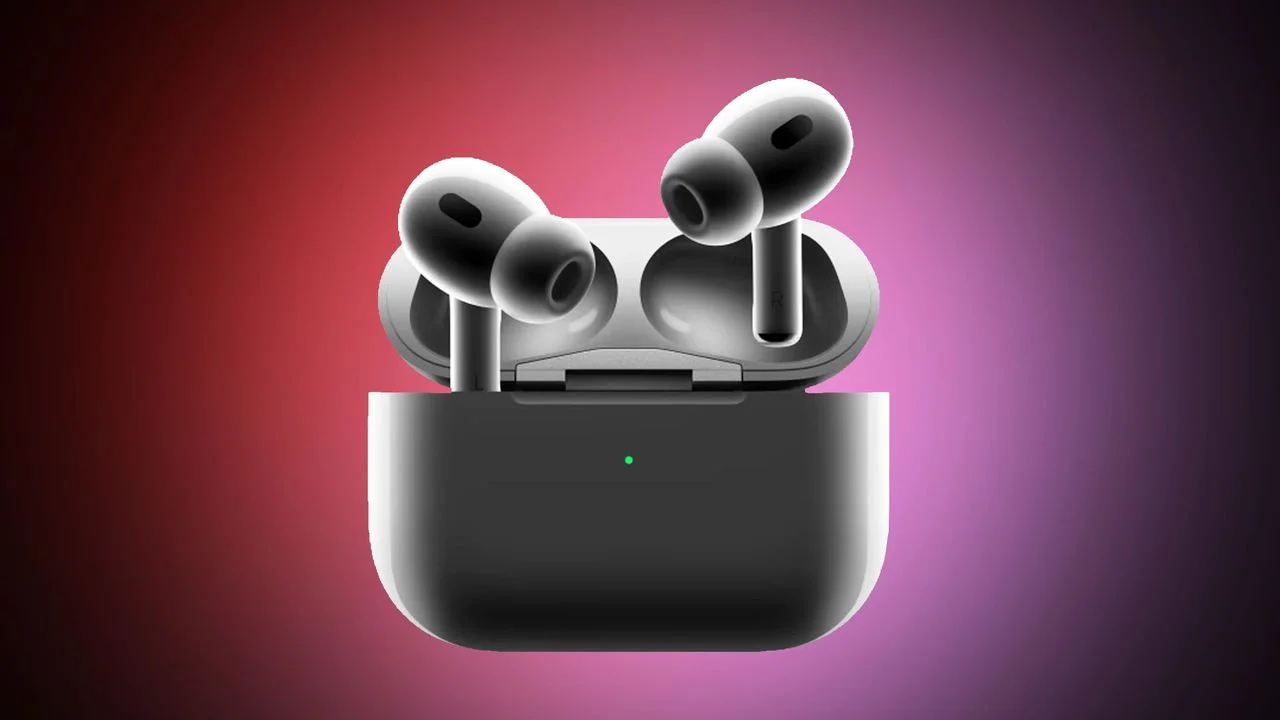
For owners of AirPods Pro 2, a firmware update is on the horizon, coinciding with the release of iOS 18. The new firmware version, 7A294, replaces the previous 6F8 version and is accessible for both USB-C and Lightning variants of the earbuds, making it available to all AirPods Pro users rather than just beta testers.
Besides the usual performance fixes, this update integrates several features debuting with iOS 18, available to the public starting September 16th.
Enhanced Features with iOS 18
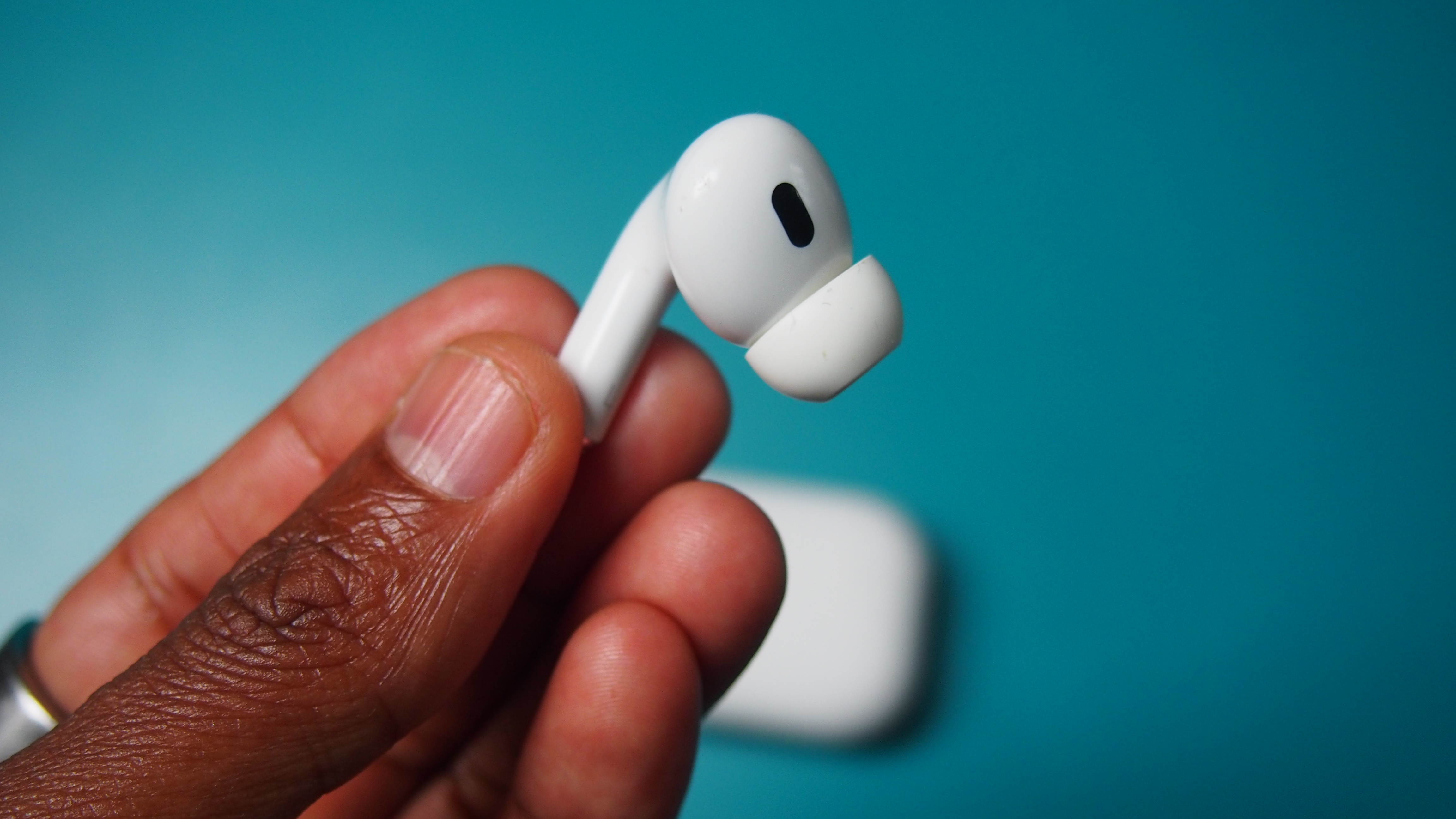
One of the standout features available to AirPods Pro 2 through this update is Siri Interactions. This functionality allows users to respond to calls, manage messages, and control notifications by simply shaking or nodding their heads, enabling hands-free interaction with Siri.
Another significant addition is the Voice Isolation feature, which enhances voice clarity while minimizing disruptive background sounds. Apple utilizes machine learning through the H2 chip in the earbuds and the paired device, ensuring a better listening experience even in noisy environments.
Furthermore, users can take advantage of Personalized Spatial Audio with dynamic head tracking during gaming, alongside upgraded audio specifications exclusive to AirPods Pro 2. Though this feature is also reaching AirPods 3 and AirPods Max, enhanced voice quality, including 16-bit, 48kHz audio, is specifically reserved for the Pro model.
In a noteworthy health update this fall, AirPods Pro 2 are set to function as clinical-grade hearing aids, offering personalized audio profiles and hearing tests.
Context of the Update
Apple's firmware updates often carry a blend of minor tweaks and major enhancements, and this release is no different. The AirPods Pro line, which has garnered a significant user base since its debut, benefits from these regular updates that enhance functionality and performance. These earphones aren't just accessories anymore; they've become core components of the Apple ecosystem, with features that integrate with other Apple products, amplifying their overall utility.
The firmware update comes at a time when consumers expect more from their audio devices. With a variety of brands pushing for innovation, Apple must maintain its reputation by continually enhancing the user experience. The inclusion of features that allow for hands-free control and improved sound quality isn't merely a response to user feedback; it's also a strategic move to fend off stiff competition from companies like Samsung and Sony, who are keen on capturing a larger market share in the high-end audio space.
Detailed Feature Analysis
Let’s break down the new features and put them into perspective. The Siri Interactions feature doesn't just enhance convenience; it aligns with the growing trend toward voice-controlled technology. As people juggle multiple responsibilities, hands-free operation becomes a necessity. If you're working in this space, the ability to manage calls and notifications without looking at a device boosts productivity, especially for those who are on the move.
The Voice Isolation capability is another key addition. Apple’s use of machine learning here reflects a commitment to improving user experience by addressing one of the most common pain points: background noise. The H2 chip's processing power is leveraged to identify and isolate voices, which is especially useful for those who frequently find themselves in crowded or noisy settings. This isn't just a technical enhancement; it speaks to a broader understanding of user needs, especially as remote working and mobile communication increase.
Then there's the Personalized Spatial Audio feature. Dynamic head tracking during gaming extends the capabilities of AirPods Pro 2 beyond conventional audio experiences, allowing for immersive soundscapes that can enhance gameplay. The fact that newer enhancements are also trickling down to other models might seem generous, but it underscores Apple's strategy to provide a cohesive user experience across its product range, creating a family of devices that work well together while still distinguishing the Pro model as the premium option.
This fall's health update is also noteworthy. With AirPods Pro 2 acting as clinical-grade hearing aids, it’s clear Apple sees an opportunity to innovate in the health tech space. The offering of hearing tests and personalized audio profiles suggests a significant pivot toward wearable health technology. Here’s the thing: this could open doors to a whole new demographic, tapping into the healthcare needs of older users who might benefit from audio enhancement. It's alignments like these that show Apple not only wants to sell products but also aims to contribute to consumer wellbeing.
Implications and Significance
The implications of these updates go beyond mere software changes. They reflect a broader trend where audio devices are evolving into multifaceted tools that enhance everyday life. By integrating features like hands-free Siri interactions and advanced audio processing, Apple not only solidifies its position in the audio market but also sets a high bar for competitors. For consumers, these upgrades translate into more value from their investments. As these earphones change from simple listening devices to versatile assistants, you'll see more people relying on them for various aspects of their daily routine.
In summary, these updates aren't superficial patch jobs; they represent a strategic alignment with user needs and technological advancements. AirPods Pro 2 users can expect enhanced performance and usability that align with contemporary demands. This update may appear incremental on the surface, but its effects could ripple through user engagement and satisfaction in profound ways.
Discussion
Sign in to join the discussion.