Apple's iPhone 16 lineup introduces enhanced wired and MagSafe charging capabilities, significantly boosting performance for all models.
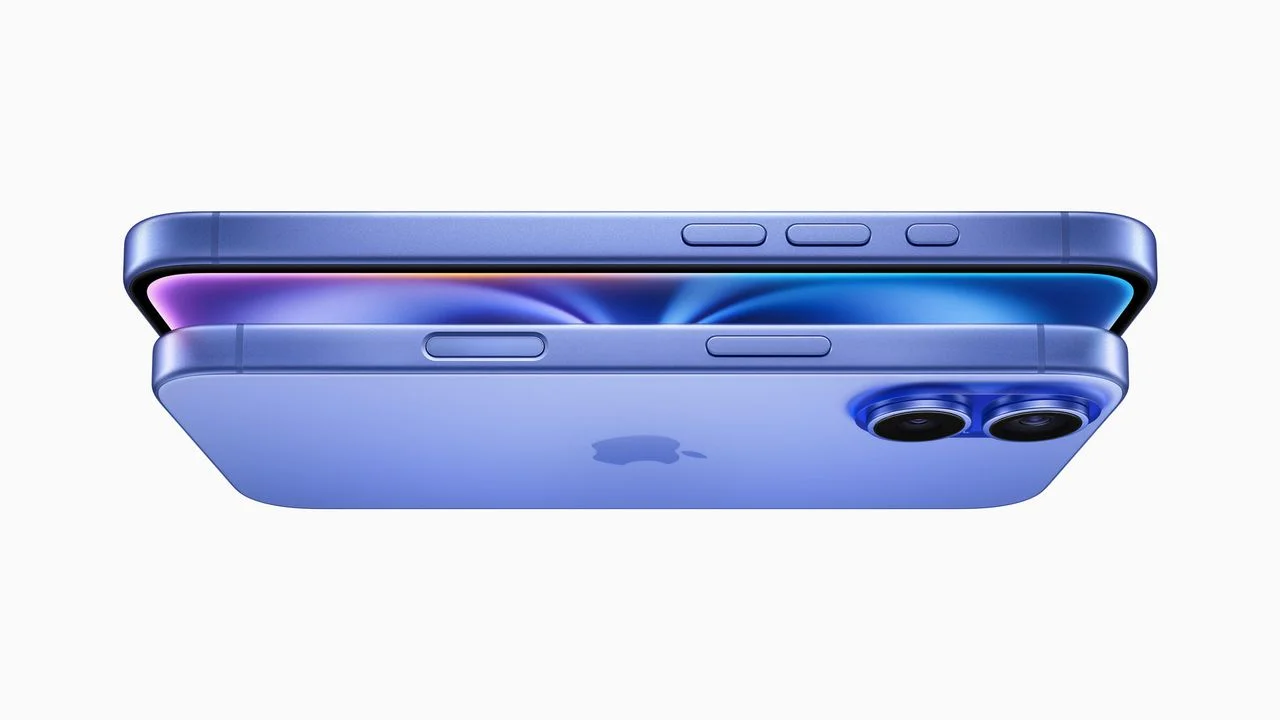
Apple has quietly incorporated a notable charging enhancement in its latest iPhone 16 lineup, revealed during its recent unveiling. Alongside the introduction of A18 processors and a new Camera Control button, the iPhone 16 boasts impressive specifications including updated colors, camera upgrades, and Wi-Fi 7 support.
While Apple emphasized battery performance, it overlooked to highlight a key feature: the entire iPhone 16 lineup now supports 45W wired charging through USB-C. This marks a significant increase from the 29W offered by the previous models, enhancing the speed at which users can charge their devices.
Charging Enhancements for All Models
This information, first reported by ShrimpApplePro on X, is particularly exciting because it applies uniformly across all iPhone 16 models. Although some speculated that only the iPhone 16 Pro would receive the increased charging capabilities, the news that all four versions enjoy the upgrade is a welcome surprise. It underscores Apple's commitment to standardizing features across its product lineup, a strategy that can appeal to a broader audience.
Additionally, MagSafe charging has received a boost as well, now allowing for up to 25W—up from the 15W limit found in previous iterations. This improvement means that MagSafe users will experience noticeably faster charging times, making it easier to recharge devices throughout the day. Coupled with enhanced battery life, iPhone 16 users can expect longer periods of use and a quicker recharge when needed, which could be a tipping point for those considering an upgrade.
Technical Evolution and Efficiency Gains
The increase in power efficiency is largely attributed to the new A18 chip, which operates with reduced energy consumption at similar speeds compared to the A17 Pro found in the iPhone 15 Pro, and the A16 in the iPhone 15. This advancement is not just a marginal improvement; it signals a strategic direction for Apple in the mobile technology space. The A18 chip's design focuses on balancing performance with energy efficiency, addressing consumer concerns about battery longevity. This alignment mirrors trends seen across the industry, where users are increasingly prioritizing devices that can keep up with their demanding lifestyles.
Moreover, Apple's decision to embrace USB-C charging—previously a contentious issue among devoted users of the ecosystem—appears to reflect a broader understanding of user preferences. As devices from various manufacturers evolve, it's clear that consumers favor interoperability. The shift to USB-C allows users to simplify their charging setups, especially in households with multiple devices, all while elevating the charging capabilities of their iPhones.
Consumer Expectations and Market Implications
Consumer expectations are at an all-time high when it comes to charging technology. The acceptance of faster charging capabilities isn’t just a bonus; it’s becoming a baseline demand. Brands that fail to keep pace risk losing out to competitors. If you’re working in this space, you know that consumers are increasingly willing to switch brands for features like charging speed and battery life. Apple's substantial bump in charging efficiency could very well set the standard in the upcoming smartphone releases from competing companies.
The push for improved charging specs doesn't happen in isolation. It reflects broader trends in the tech industry where features that enhance user experience lead purchasing decisions. As battery technology advances, consumers are more aware of charging speeds, often viewing slower options as outdated. This perception might one day lead to significant industry shifts, urging manufacturers to step up their game to meet these rising expectations.
Future Outlook and Implications
The implications of Apple's upgrades extend beyond just specs. As the smartphone market continues to mature, consumers will start comparing not merely the individual specs but the overall charging ecosystem. For instance, the ability to charge more efficiently, in conjunction with improved battery technologies, is a fine line that companies will have to walk. For Apple, this announcement may reinforce its standing as an industry leader, compelling competitors to innovate quickly.
In the immediate term, consumers will experience tangible benefits. Quicker charging times mean less downtime, maximizing usability. But what about the future? There’s reality in believing that battery technology hasn’t reached its zenith yet. Manufacturers are actively researching new materials and technologies that could further decrease charging times while extending battery lives. The changes brought by the iPhone 16 might be just a glimpse into the potential evolution of mobile charging.
As pre-orders for the iPhone 16 start this Friday, with prices mirroring those from the previous year, one can't help but wonder how this will affect sales trends and consumer choices. Apple may be positioning itself strategically to not only maintain its current user base but also attract those who have been sitting on the fence about upgrading.
Discussion
Sign in to join the discussion.