Fink Warns: The Economic Risks of Slowing Data Center Development
Oct 15, 2026 · 937 views
Larry Fink highlights the critical role of data centers in economic growth, warning that halting their construction could lead to significant recession risks.
A Warning from Wall Street: Fink on Data Centers and Economic Growth
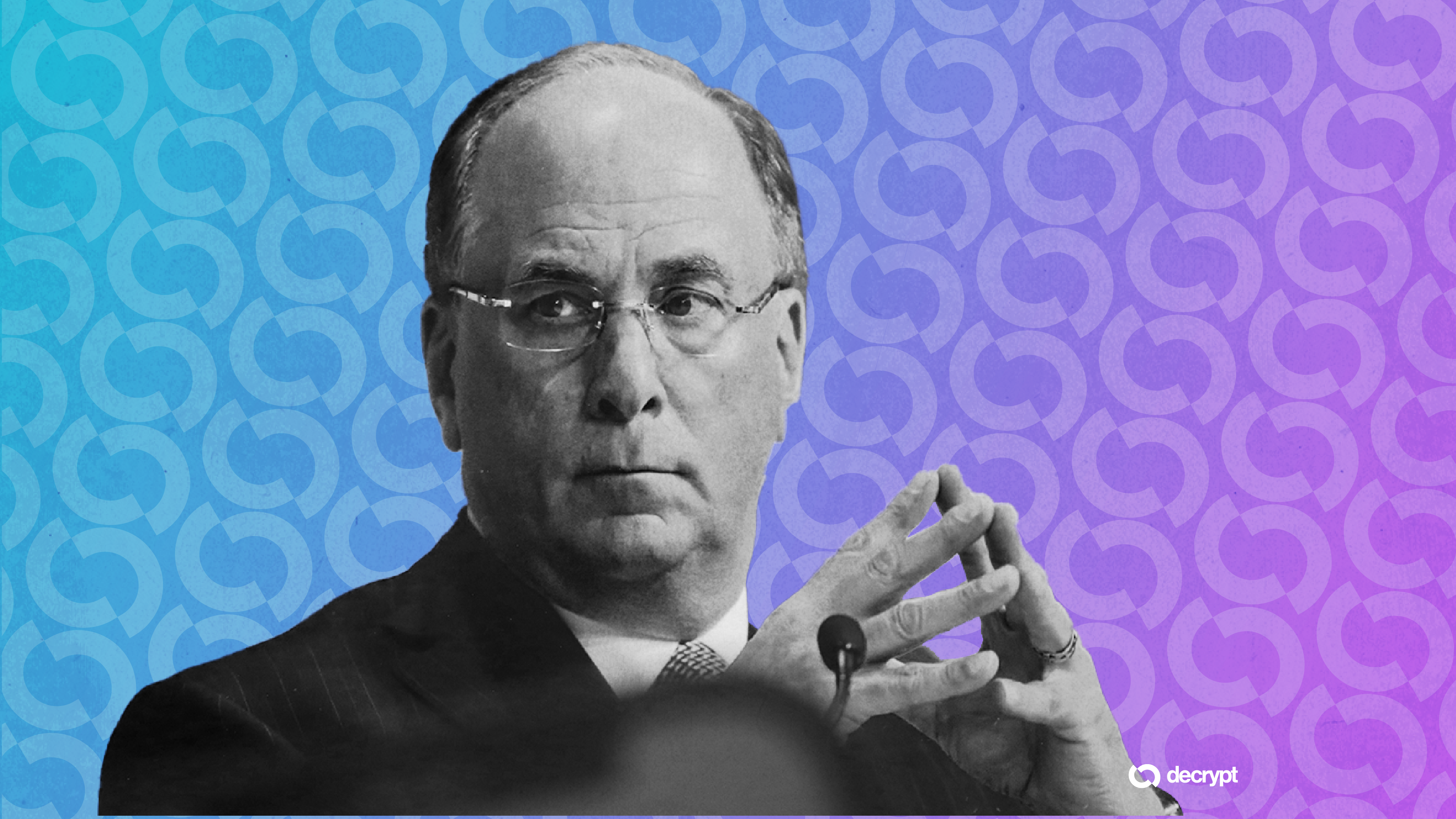
Larry Fink, CEO of BlackRock, issued a stark warning regarding the U.S. economy and its reliance on data center infrastructure. During a recent interview with CNBC, he stressed that halting the construction of these vital facilities could have dire economic consequences, potentially pushing the country into a recession. He argued that the current boom in AI and related capital expenditures is essential for economic growth. Without continued investment in this sector, which he claims underpins a significant portion of our economy, the repercussions could be severe.
This statement is particularly relevant amid rising public dissent surrounding data centers. Recent surveys indicate that 61% of Americans now oppose the establishment of new data centers in their communities, reflecting a notable increase from just 49% in the spring. Opposition cuts across political affiliations, with Democrats, Republicans, and independents alike expressing concerns about the utility demands and environmental impacts associated with these developments.
Fink dismisses many of these criticisms as “misinformation,” asserting that data centers are not to blame for the strain on resources like electricity and water. Instead, he emphasizes the positive economic impact—they create jobs and drive demand for energy infrastructure, an argument underscored by anticipated capital expenditures in AI, which could reach over $1 trillion by 2027.
However, the reality is more nuanced. Various localities are imposing stricter regulations on data center development; for instance, New York has suspended certain permits for hyperscale facilities, while other regions like Texas have paused approvals altogether. Data Center Watch reported that around $130 billion worth of projects faced delays or blockages within the first quarter of 2026 alone due to this backlash.
As we navigate this complex situation, Fink’s perspective on the intersection of technology, investment, and public opinion is worth scrutinizing. If you're invested in the tech infrastructure space, these developments will greatly impact future planning and investment strategies. The relationship between AI growth and local regulatory environments is fraught with challenges that can't be ignored.
Looking Ahead: The High Stakes of AI Development and Economic Impact
The ongoing debate surrounding AI data centers has escalated significantly, particularly as it intertwines with the political scene in Ohio's Senate race. Here, Democratic Senator Sherrod Brown is openly opposing the expansion of these facilities, while a formidable super PAC, backed by influential figures like Marc Andreessen and Greg Brockman of OpenAI, is countering with a barrage of advertisements advocating for the growth of data centers in crucial battleground states. Even former President Donald Trump has jumped into the fray, cautioning that communities resisting these developments could find themselves economically left behind, echoing a larger narrative about the relationship between technology infrastructure and economic vitality.
This conflict is emblematic of broader economic concerns, underscored by BlackRock's Larry Fink, who argues that halting the AI expansion could have dire consequences for the U.S. economy. His assertions aren't just theoretical; they resonate with the reality of Bitcoin's current market dynamics, which often mirror broader economic sentiments and conditions. With a significant portion of Bitcoin's valuation tied to macroeconomic trends, Fink's warning underlines an urgent need to understand the interconnectedness of technology investments and financial stability.
Fink, as the head of the world’s largest asset manager and an early proponent of Bitcoin, has repositioned himself as a leading voice within the cryptocurrency landscape. He has characterized Bitcoin as a viable asset in today's uncertain economic climate, promoting it as a hedge against instability. Furthermore, BlackRock is eyeing AI-driven agents as the next wave of demand in the crypto space, signaling a potential shift in investment strategies that could reshape the industry.
The implications of these trends are profound. If you're involved in tech or finance, keeping a close eye on government actions concerning AI data centers is essential. Not only are these developments pivotal to the future of AI, but they also have the power to influence economic policy and investment opportunities at a national level. The tension between local opposition and high-stakes economic lobbying creates scenarios ripe with uncertainty, making it crucial for stakeholders to remain engaged and informed as the situation evolves.
Discussion
Sign in to join the discussion.