Ledger confirms that all verified cases related to the recent wallet draining involve devices sold by CryptoBilis, emphasizing supply chain integrity.
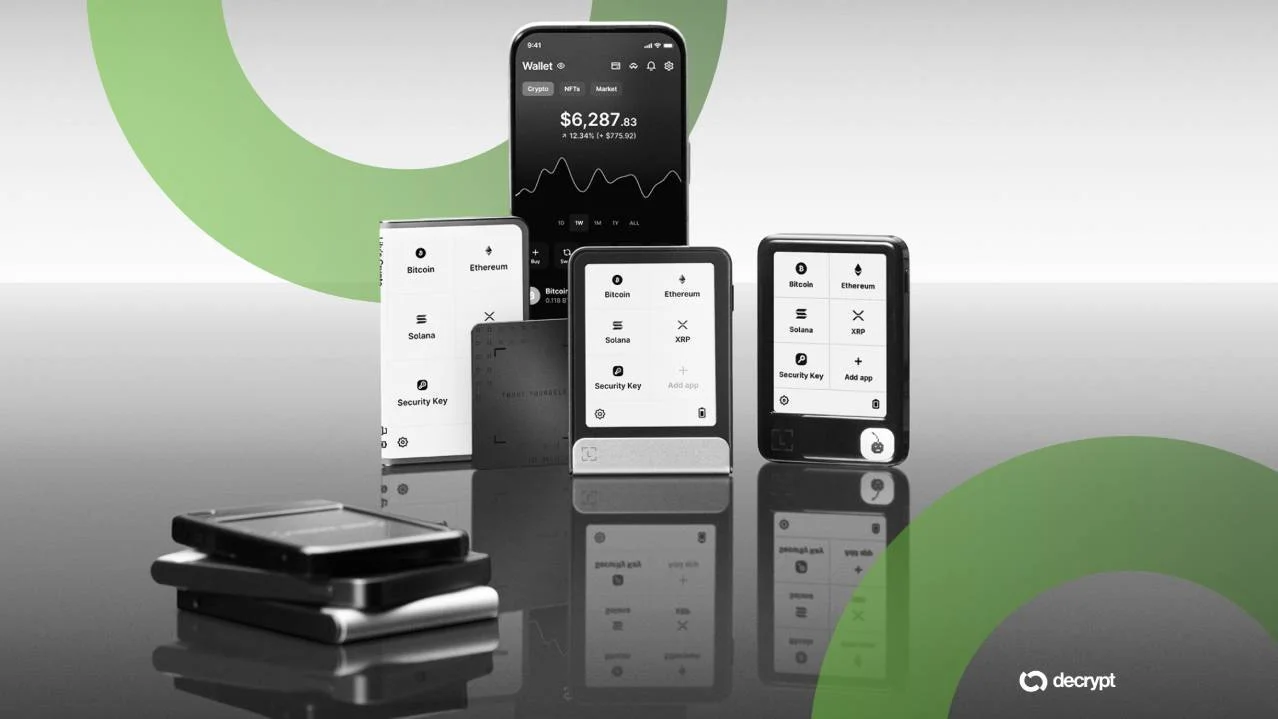
Ledger has reported that each verified case connected to the recent wallet-draining incident can be traced back to devices sold by the Southeast Asian reseller, CryptoBilis. The company clarified that its internal systems and direct sales channels remain secure, and this was shared in a 72-hour update released on Sunday. This situation illustrates the vulnerabilities that can arise not just from faulty software, but from the entire supply chain, including third-party resellers, who play a significant role in hardware security.
"The number of impacted devices is limited," Ledger stated. They are actively collaborating with relevant authorities and directly communicating with affected users. Following the situation, CryptoBilis has halted all sales of hardware wallets. The quick action of CryptoBilis indicates an awareness of the reputational risk involved, given that quick retraction from the market tends to mitigate the potential fallout from the incident.
72 hour update on reseller CryptoBilis incident 🔽
As the investigation continues, we are working with relevant authorities. The volume of impacted devices is limited. We know this is concerning, especially for those directly affected, and we are reaching out to impacted users.…
— Ledger (@Ledger) October 11, 2026
Investigative Findings
The investigation, which began on Friday, was triggered by reports from Southeast Asian users who claimed to have lost significant funds after purchasing devices from CryptoBilis. Onchain investigator Specter tracked over $86 million in thefts involving various cryptocurrencies including Ethereum, Tron, and Bitcoin. At this point, Ledger has not confirmed these figures nor provided insights on how the breaches occurred. This lack of transparency raises questions about how effectively companies are handling security incidents, particularly in a space where trust is paramount.
Further probing by onchain analysts at YFarmX revealed they had provided Ledger with a list of more than 450 compromised wallets. Their analysis indicates the perpetrator moved 2,810 ETH through the coin mixer Tornado Cash in three transactions and funneled funds via Zcash's shielded pool, ultimately converting approximately 3.28 million USDC into three new wallets that Circle could freeze. That presents a more sophisticated scheme than typical, suggesting a far deeper level of expertise involved. (And this is the part most people overlook.) You may think of wallet security as overly technical or niche, but it's an avenue rife with manipulation if proper measures aren’t taken.
The perpetrator also converted 15 million USDT into USDD, a stablecoin that Tether cannot freeze, before converting 5.1 million back into USDT and sending around 4.23 million USDT to deposit addresses on Binance. Notably, Tether managed to freeze 10 million USDT on the first day, while an estimated 15,475 ETH, 203 BTC, and 10 million USDD remain untraceable according to YFarmX's findings, which have not been independently verified. In an industry plagued by uncertainty, these vulnerabilities serve as a stark reminder that traders and investors must scrutinize their choices adaptively.
Allegations of Further Tampering
In a related incident, a user named Johannes claimed to have detected tampered Ledger devices purchased from retail outlets in Europe. He reported that both devices exhibited "identical modifications," which raises further concerns about tampering. Johannes plans to send one of these devices to Ledger for examination. Ledger’s latest update disputes his claims, reinforcing that confirmed issues are limited to CryptoBilis products. This back-and-forth highlights the complexities of ensuring device authenticity across multiple distribution networks, something the tech industry grapples with regularly.
Reseller Controls
Ledger has emphasized the importance of ensuring that authorized resellers and distributors acquire products from recognized channels. They’ve advised against restocking returned merchandise and cautioned consumers against purchasing from unauthorized sellers, underscoring the significant risks associated with acquiring potentially counterfeit or altered devices. Purchasers need to recognize the cost of neglecting to verify a seller’s legitimacy — it can mean the difference between security and vulnerability.
The company stated it is currently reviewing controls related to resellers and is focused on enhancing hardware security measures. Ledger urged industry partners to join forces in improving supply chain integrity and anti-tampering mechanisms. This collaborative approach isn't just a corporate strategy; it signals a push towards unity in combating fraud, which is essential for establishing a more secure environment for consumers and investors alike.
Furthermore, Ledger cautioned that scammers might look to exploit this situation. They've reiterated that they "will never call you, DM you, or ask for your 24-word recovery phrase." In a world where phishing scams are increasingly complex, this assurance serves as a crucial element of user education, especially during times of heightened anxiety among customers.
Future Implications and Significance
The ongoing investigation and subsequent updates from Ledger will undoubtedly affect its credibility, especially among users who rely on hardware wallets for securing their cryptocurrencies. If you're working in this space, the implication is clear: comprehensive security must extend beyond internal protocols to encompass the broader supply chain. It remains to be seen how these developments will shape consumer confidence in hardware wallets going forward.
Moreover, as crypto becomes more mainstream, attacks on hardware security are likely to escalate. The interconnected nature of these systems means companies must rigorously vet their partnerships. So, what does this mean for you? As individuals increasingly rely on digital wallets for significant sums, they should be vigilant and wary of where and how they purchase these devices. Ensure you're buying from trusted sources and remain skeptical of deals that seem too good to be true.
Discussion
Sign in to join the discussion.