Security Scares: The Impact of Ledger's Allegations on Hardware Wallet Trust
Oct 09, 2026 · 619 views
Ledger's recent security concerns raise critical issues about the integrity of hardware wallets, prompting users to rethink crypto asset management strategies.
Speculative Security Concerns in Crypto Hardware
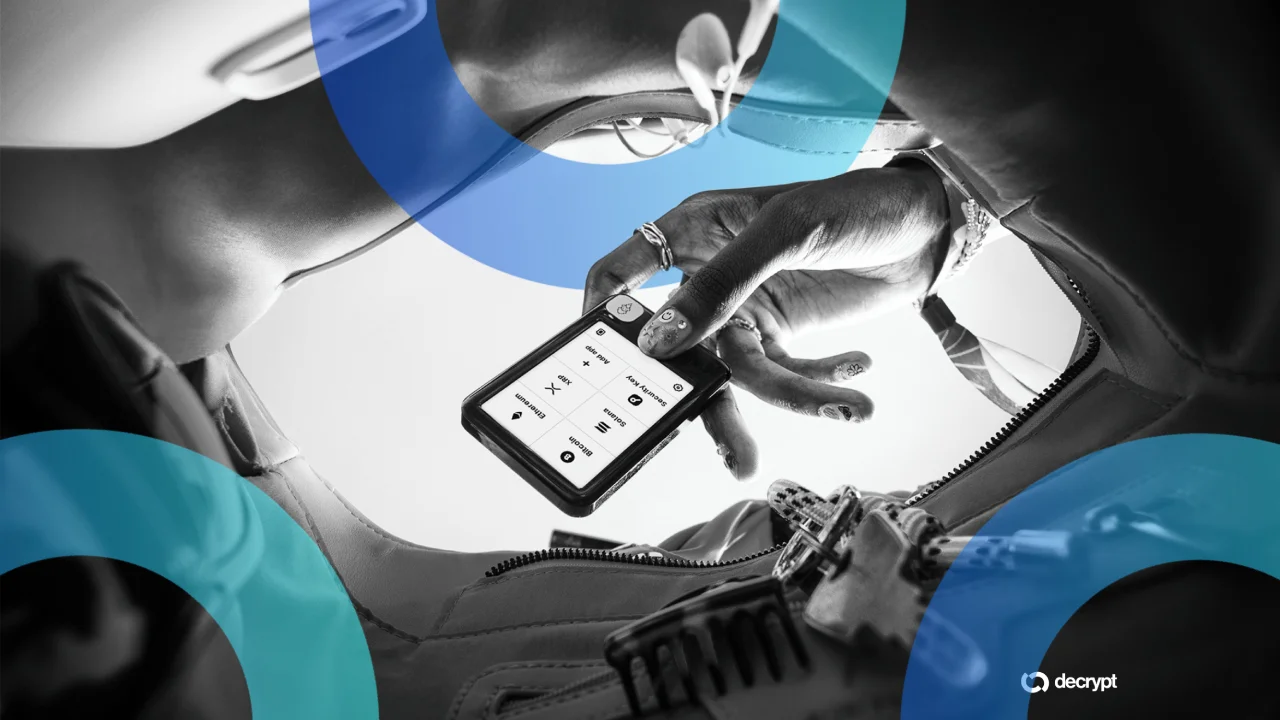
Recent events have put the spotlight on Ledger, the well-known cryptocurrency hardware wallet manufacturer, as it grapples with serious allegations involving thefts affecting its customers in Southeast Asia. This isn't just a minor setback; it raises vital questions about the integrity of the entire hardware wallet industry and the safety of user assets.
Ledger has taken the unprecedented step of advising its clientele to refrain from setting up devices purchased from the reseller, CryptoBilis, after reports surfaced indicating significant fund losses. In a significant precautionary measure, the company has requested CryptoBilis to halt all sales and shipments of its devices while investigations proceed. Ledger appeals to all customers who bought from this reseller within the last 90 days to either avoid activating their devices or, if they've already done so, transfer their holdings to a new Ledger device using a fresh seed phrase — a critical safeguard. This response hints at underlying vulnerabilities that can exist in the distribution of hardware wallets.
The scope of these alleged thefts is alarming. Onchain investigator Specter has identified over $86 million in suspected thefts tied to the incidents associated with customers’ experiences on platforms like X and Reddit. While Ledger hasn't officially confirmed the dollar amount or disclosed specific theft mechanisms, the potential losses hint at a broader epidemic of compromised devices. Given that hardware wallets are designed to keep your private keys securely offline, any leak or tampering that happens pre-sale is particularly concerning. If a device is shipped with an attacker’s prior knowledge of a recovery phrase, it risks leaving users with substantial financial exposure.
To make matters worse, unidentified vulnerabilities remain a haunting possibility lingering in Ledger's supply chain and security protocols. Although Specter’s investigation traced flows back to hundreds of victim wallets across Ethereum, Tron, and Bitcoin, confirming whether all these incidents directly link to CryptoBilis remains an open question. Rival hardware wallet manufacturer Trezor has also faced recent troubles, including breaches affecting customer data, suggesting that security lapses might be systemic within the industry.
What's clear is that Ledger's struggles may not just impact its reputation but could sway the broader hardware wallet market, leaving customers questioning their own security efforts. How this situation unfolds will likely influence user trust in cryptocurrency security measures for the foreseeable future. If you're involved in this space, now’s the time to reconsider how you manage your crypto assets and scrutinize the reliability of your storage solutions.**State of Crypto Security: A Troubling Trend**
The recent spate of security breaches in the cryptocurrency space cannot be dismissed as mere coincidence—it underscores a deeper vulnerability that seems to be worsening. Take, for instance, the alarming incident with Bitget, which saw approximately $387 million siphoned away in a hack linked to North Korean operatives. This isn't an anomaly; it's part of an unsettling narrative in which hackers are becoming increasingly sophisticated and relentless.
In another case, North Korean cyber actors allegedly infiltrated the Solana exchange, Drift, spending six months undercover before executing a $285 million heist. Drift’s attempt to reassure users with a repayment plan shows just how critical the aftermath of these breaches can be. The fallout isn’t just financial; it shakes user confidence and taints the reputation of the platforms involved.
Meanwhile, in a peculiar turn of events, a group of self-declared white hat hackers managed to extract $320 million in Bitcoin from Blockstream's Liquid sidechain, only to negotiate its return. This scenario raises ethical questions: What does “white hat” even mean in this context? Is there a fine line between ethical hacking and exploitation?
As these incidents accumulate, they signal a trend that demands attention. The data paint a grim picture: with North Korea’s increasing involvement in these cybercrimes, the industry might face a real crisis of trust. If you're in the crypto sector, it's vital to ramp up security measures immediately. The narrative is shifting from financial loss to potential legislation that could govern your operations. Keeping up with best practices in cybersecurity is no longer optional; it's imperative.
We’re at a turning point where the survival of cryptocurrency platforms may depend on their ability to protect assets. This ongoing battle against cyber threats is far from over, and the industry must remain vigilant. As these developments continue to unfold, staying informed and prepared will be crucial for anyone involved in crypto.
Discussion
Sign in to join the discussion.