Conduit alleges Tether unjustly froze its $2.76 million, sparking legal action and raising questions about fund management practices in the cryptocurrency space.
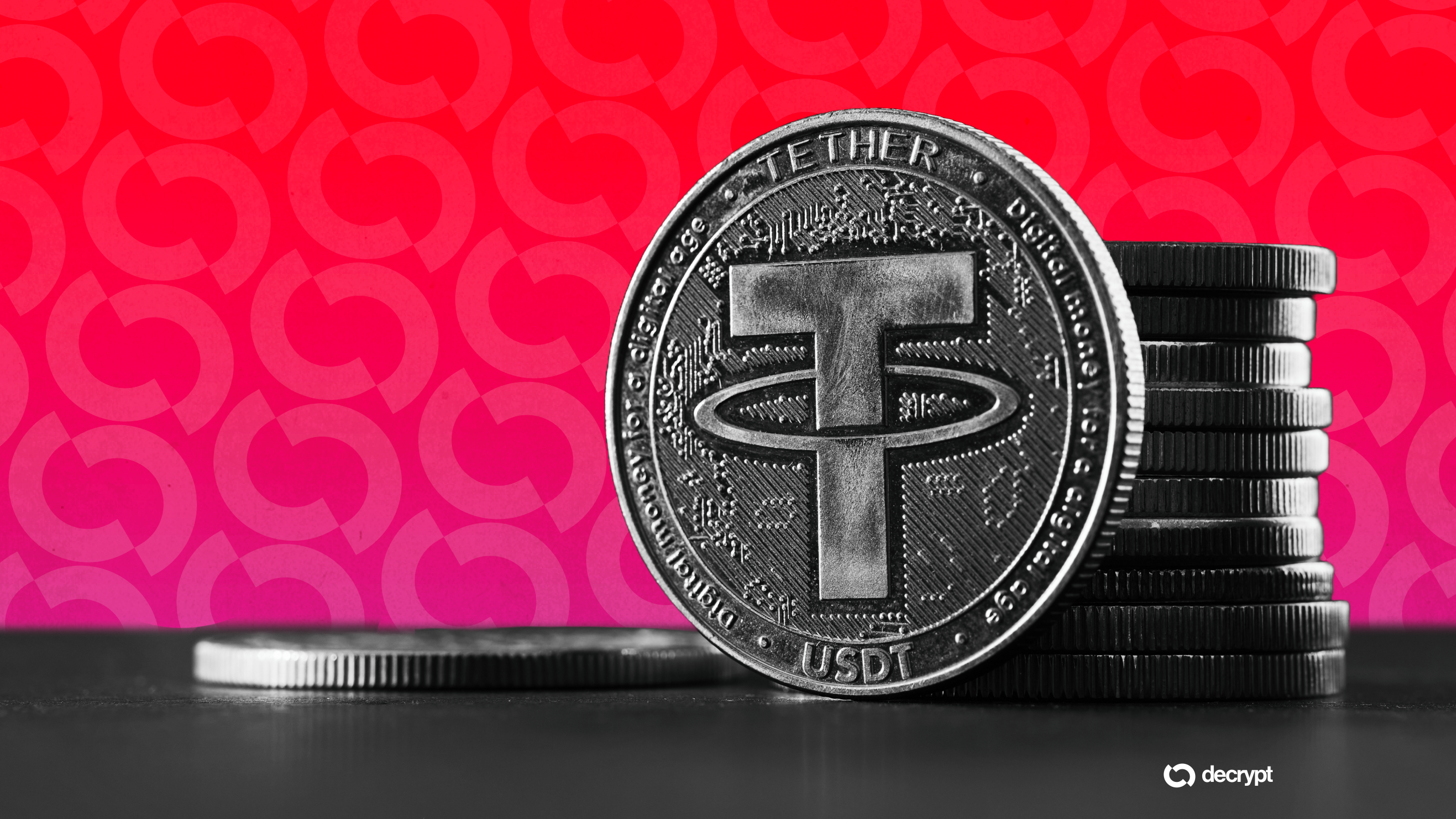
## Tether Faces Legal Action Over Alleged Freezing of Funds
Cross-border payment company Conduit is now embroiled in a legal battle with Tether, claiming that the stablecoin giant unjustly froze $2.76 million of its funds without any valid reason. Conduit filed its complaint on Monday in the U.S. District Court for the Southern District of New York, highlighting a situation that could have broader implications for the foreign exchange and cryptocurrency industries.
According to the details in the complaint, the freeze took place on September 24, 2025, when Tether allegedly locked Conduit's treasury wallet—essentially its digital operating account. This action, the company argues, has crippled its operations, leading to significant layoffs and even office closures. While Tether reportedly profited from the reserves backing these frozen funds, Conduit claims it has suffered severe liquidity constraints, having processed over $1.1 billion in volume before the wallet was locked.
The legal claims brought forward encompass several serious allegations, including conversion, unjust enrichment, and breach of fiduciary duty. Essentially, Conduit is asserting that Tether’s actions were not just overreaching but also harmful, as they have leveraged these funds for financial gain while Conduit has been left struggling.
The backdrop of this conflict is tied to an investigation by Brazilian authorities into a third-party firm called Onix, which Conduit asserts has no direct ties to the frozen wallet. They emphasize that their treasury wallet was established in May 2025—well after Onix's last recorded transaction using Conduit’s platform—and never held any funds belonging to Onix. Notably, the Brazilian Federal Police confirmed they did not flag Conduit's wallet, leaving Tether’s rationale for the freeze unclear.
In the wake of this legal skirmish, questions arise about Tether's significant control over the USDT stablecoin's operational mechanics. This case could enhance the scrutiny surrounding Tether's freezing practices and the resultant implications for businesses operating in the cryptocurrency space. If you're keeping an eye on regulatory trends within this industry, this case could provide valuable insight into the intersection of cryptocurrency and traditional finance regulations.
The stakes are high for both parties involved, particularly for Conduit, as it seeks not only the return of its funds but also accountability for what it alleges were reckless actions taken by Tether. As this develops, it could set a precedent that reverberates throughout the digital currency marketplace.
Discussion
Sign in to join the discussion.