Apple's iOS 18 introduces the Repair Assistant, enhancing how users manage replacements and repairs for iPhone parts.
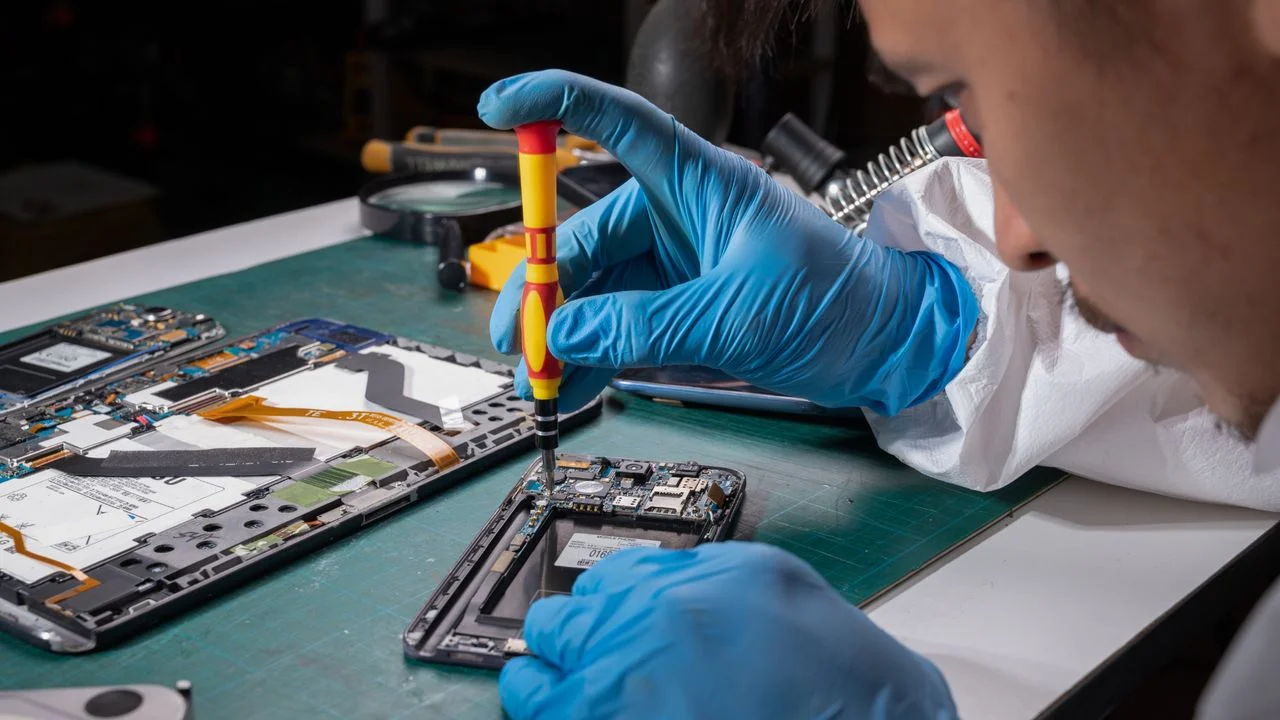
Apple's recent update to iOS 18 rolls out a new feature called 'Repair Assistant', aimed at empowering users to handle repairs with genuine parts more independently. Previously, pairing replacement components like displays or batteries with iPhones was solely the responsibility of Apple technicians. However, with this update, users can now manage this aspect themselves or through third-party repair services for models starting from the iPhone 12.
This change reflects Apple's commitment to enhancing repair options, first hinted at during an announcement in April. According to sources, the 'Repair Assistant' not only enables users to engage directly with repairs but also allows them to verify the status of their replacement parts via Settings > About > Parts and Service.
A Win for Everyone, Especially Retail Workers
Drawing from my own experience in tech support, I've witnessed firsthand the frustrations customers face when their devices need to be sent away for repairs. Long wait times for diagnostics and estimates can feel maddening, especially for those who rely on their iPhones for work or communication. With repair times stretching into days or even weeks, customer anxiety continues to mount, leading to dissatisfaction and often anger directed toward service providers.
With the 'Repair Assistant', retailers and repair technicians are poised to see a significant shift in customer interactions. By allowing third parties to handle genuine part pairings on-site, we're looking at reduced turnaround times and less logistical hassle. The capacity for on-location repairs translates into quicker service. This ensures customers aren’t left waiting indefinitely for their devices to be shipped for assessment and return. In a fast-paced tech environment, that feels like a breath of fresh air.
This evolution means that retail workers can assist customers with more options and quicker solutions, fostering a more satisfactory service experience overall. Whether guiding clients to reputable local repair shops or providing them with instruction for a DIY fix, the 'Repair Assistant' gives both consumers and retail professionals a newfound sense of empowerment. This not only enhances customer relations but also enables technicians to demonstrate their expertise, ultimately boosting job satisfaction.
Consumer Empowerment and Wider Repair Options
This update isn’t just about convenience; it's indicative of a broader shift in how Apple perceives the relationship between hardware and its end users. By rolling out the 'Repair Assistant', Apple appears to recognize that consumers want greater control and transparency about the devices they purchase. Traditionally, Apple has tightly controlled repairs to maintain quality standards — a strategy that has earned them acclaim in some circles but also criticism for limiting consumer autonomy.
Let’s be honest: the repair process has often felt cumbersome. Customers have frequently faced roadblocks due to Apple's stringent policies and reliance on its authorized service providers. But now, users can engage with the repair process actively. They can opt to visit a third-party repair shop or attempt repairs themselves, provided they understand the basics of iPhone servicing.
This wave of consumer empowerment might resonate well with many who prioritize sustainable practices in tech. The longevity of devices, concerns over e-waste, and the desire for independent repair options have been significant talking points in the tech community. By supporting third-party repairs and facilitating better access to genuine parts, Apple is not only aligning with consumer wishes but also potentially fending off criticisms regarding planned obsolescence. (And this is the part most people overlook.)
Implications and the Future of Phone Repair
The long-term implications of the 'Repair Assistant' could be extensive. It marks a cultural shift in Apple’s approach toward repairability and consumer engagement. If the company continues down this path, we could see a ripple effect throughout the industry. Other manufacturers might follow suit, leading to a more transparent repair scenario across the board. This could enhance fair competition among repair providers, which many consumers will appreciate.
Moreover, for independent repair shops, this might be a double-edged sword. On one hand, they gain access to genuine parts and the ability to offer official repairs, which can draw customers while bolstering their business. On the other, it could lead to a flood of competitors entering the market who can offer similar services without the need for certification. This situation could create a dilemma. What does it mean for the established players who rely on the status quo for their business?
If you're working in this space, these developments should prompt you to revisit your operational strategies. Greater independence for consumers coupled with easier access to parts is likely to reshape not only how repairs are conducted but also how various stakeholders within the repair supply chain operate.
Discussion
Sign in to join the discussion.