The Motorola Moto Tag 2 offers functionality and value, priced at $70 for a four-pack, making it the go-to Android tracker ahead of competitors.
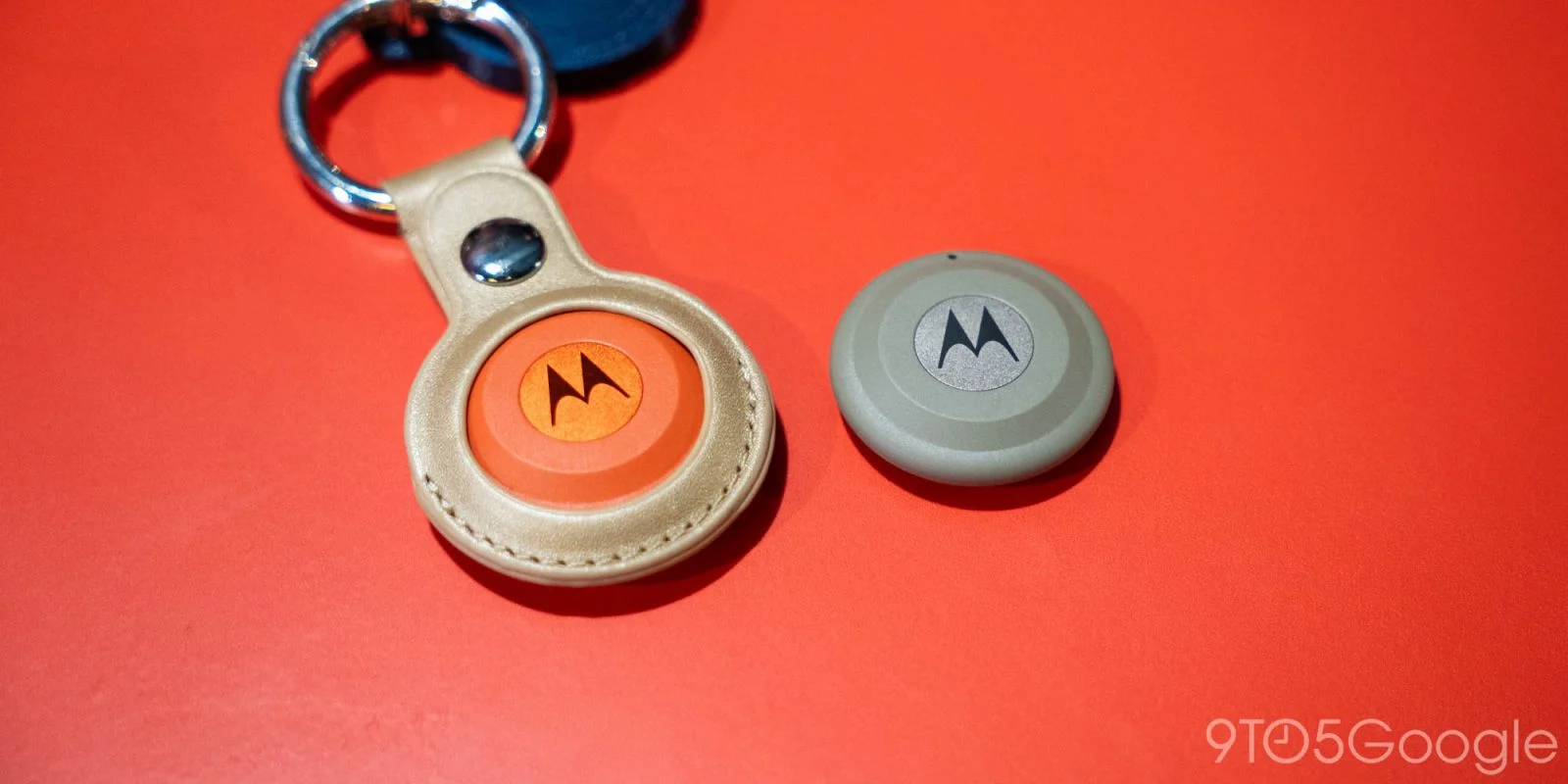
Motorola has released the Moto Tag 2, positioning it as a leading choice among Android Find Hub trackers. At just $70 for a four-pack, that's around $17 per tracker, it's hard to overlook this deal.
With capabilities that include both Bluetooth and Ultra-Wideband (UWB) technology, the Moto Tag 2 excels in accurate location tracking. Its main competitor, the Google Pixel Tag, is expected to hit the market later this year, but for now, Motorola's offering stands out in terms of availability and pricing.
On platforms like Amazon, the price for a single Moto Tag 2 sits at $19.99, but the 4-pack deal at $70 represents a significant savings of $30 compared to Motorola's own retail price for the same bundle.
While you might wait a bit for delivery, the convenience of ordering through Amazon ensures that tracking is just a click away.
Explore More About Find Hub:
- Belkin introduces four new Android Find Hub trackers, including a wallet variant
- Discover a new Android and iPhone tracker designed to fit into bikes or golf clubs with a three-year battery life
- Find Hub expands for Wear OS with a basic 'Find people' app
Connect with Ben: Twitter/X, Threads, Bluesky, and Instagram
Understanding the Moto Tag 2
The Moto Tag 2 serves as Motorola's latest entry into the increasingly competitive segment of smart tracking devices. These trackers enable users to keep tabs on personal items like keys, bags, or even larger belongings. While the concept isn't new—other brands have introduced similar devices before—Motorola offers a unique combination of innovation and value pricing. The $70 price tag for a four-pack isn't just appealing; it signals a direct challenge to competitors entering the market with similar products at higher price points.
Deep Dive into Tracking Technologies
What makes the Moto Tag 2 compelling is its dual capability to employ both Bluetooth and Ultra-Wideband (UWB) technologies. Bluetooth has long been the standard for short-range device connectivity, but UWB offers additional advantages, particularly in the realm of accuracy and precision. GPS-enabled devices can show general locations, but they often struggle with pin-pointing a device's exact position, especially in densely populated areas. UWB closes this gap with high-precision mapping that can locate an item within mere centimeters, allowing for efficient and effective tracking.
Comparative Analysis: The Competition
Currently, the primary competitor to the Moto Tag 2 is the upcoming Google Pixel Tag. Expected to join the market soon, the Pixel Tag aims to integrate smoothly with Google’s ecosystem, including Android and WearOS devices. Users may find benefits in continuity across their Google devices, but Motorola’s early entry allows it to capitalize on both availability and pricing. The Moto Tag 2 also benefits from being in the market ahead of its competitors, allowing Motorola to establish a customer base and generate early reviews. This period of availability could solidify the Moto Tag’s reputation before the Pixel Tag hits the shelves.
Pricing Strategy: Value Versus Quality
Pricing is a major factor influencing consumer decisions in the tech accessories market. At around $17 per tracker, the Moto Tag 2 offers a price point that's hard to overlook. Right now, buying a single Moto Tag 2 from Amazon is priced at approximately $19.99. Comparatively, going for a four-pack substantially reduces the cost. This kind of strategic pricing is typically employed in consumer electronics to entice users toward bulk purchases and create a perception of greater value. It’s not just about the numbers; it’s about the perception of getting a better deal.
(and this is the part most people overlook) While the price is attractive, it's important to consider the quality and reliability of the tracking technology being offered. A cheap tracker that fails to deliver consistent performance won’t be of much use, regardless of the cost. The upcoming reviews and customer feedback will be integral in establishing whether the Moto Tag 2 stands up to the task of well-acclaimed tracking solutions.
Delivery and Convenience
In today’s fast-paced world, consumer convenience often dictates buying decisions. Motorola’s partnership with Amazon for distribution ensures that customers can access the Moto Tag 2 quickly and easily. This factor can be a considerable advantage over other brands that may not have as streamlined a purchasing process. While the Moto Tag 2 will likely face various obstacles, including potential stock shortages and competition from more established brands, the simplicity of ordering through platforms such as Amazon offers a significant edge.
Future Outlook: What Lies Ahead?
This tracker’s success may depend on multiple factors: user experience, integration with existing smart ecosystems, and consistent performance. If you're working in this space, it’s worth monitoring how Motorola plans to enhance its offering—whether through software updates or additional features. As tracking technology evolves, Motorola’s handling of user feedback could play a pivotal role in any improvements or adaptations to the Moto Tag line.
Ultimately, while the Moto Tag 2 launches with substantial allure due to its pricing and capabilities, the real test will be in user satisfaction and any subsequent iteration Motorola rolls out. The combination of pricing, technology, and customer experience will shape the device’s journey in the crowded market. As it stands, the Moto Tag 2 is an enticing option, but it’ll take user adoption and reliability to really secure its place in consumers' digital toolkits.
Discussion
Sign in to join the discussion.