As Googlebook readies for launch, skepticism mounts amid a slew of new laptop competitors showcasing clearer value in the market.
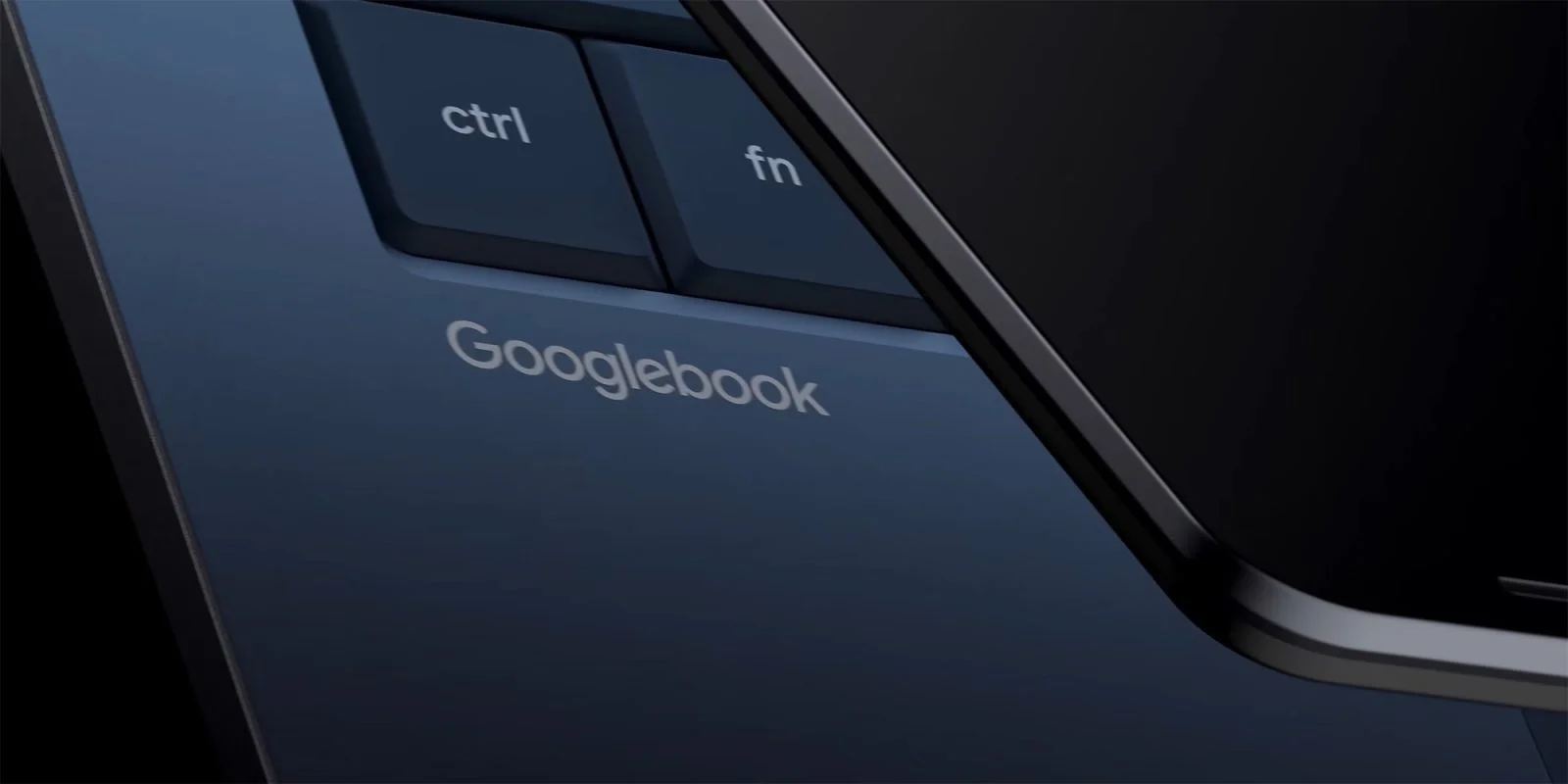
With Googlebook's anticipated launch on the horizon, the tech community is buzzing, yet there's a palpable sense of skepticism about its place in an increasingly crowded laptop market. The recent IFA event has unveiled several new models that arguably overshadow Google's upcoming platform, raising significant questions about consumer interest and market viability.
Initial Confusion Surrounding Googlebook
Initially introduced as an Android-based desktop platform set to replace ChromeOS, Googlebook's unveiling has left many scratching their heads. Over the past few months, the absence of clear messaging regarding its purpose and functionalities has been glaring. This lack of clarity isn't new for Google. Similar doubts surrounded previous ventures, like Stadia, another project that struggled due to marketing missteps. As anticipation turns into skepticism for Googlebook, it's clear that the company has not learned from its past communications failures.
Potential buyers are understandably confused about what Googlebook actually offers. While it tries to fill a specific gap in the market, the lack of a solid value proposition becomes evident. This is compounded by the reality that consumers are often overwhelmed with options. Googlebook needs to establish a compelling case for why customers should even consider switching from fallback options, particularly when those alternatives are both familiar and trusted.
Recent leaks have showcased early models from manufacturers like Asus and Lenovo, while Acer teased its Googlebook at IFA. Despite these glimpses into what might be coming, initial impressions have largely been underwhelming. While applications like “Magic Pointer” and “Look Up” hint at potential use cases, they fail to present a convincing argument for convincing users why they should choose Googlebook over well-established alternatives.
Understanding Googlebook's Market Position
The essence of what made ChromeOS appealing was its straightforward functionality on affordable hardware. Now, however, Googlebook aims for a more premium approach yet seems to overlook a crucial aspect: consumer spending priorities are shifting. This shift is particularly evident as budget-friendly Windows and MacBook devices flood the market. Taken together, the influx of affordable options means consumers aren’t just looking for something new—they're looking for value.
Recent product announcements, such as Lenovo's IdeaPad Vibe and Dell's Dell 14S, respond specifically to Apple's pricing strategy and the ongoing economic pressures consumers face. Both of these devices offer compelling options that cater to budget-conscious consumers. In my view, this illustrates a disconnect between Googlebook's positioning and current consumer trends. If you’re working in this space, you'll understand how imperative it is to be aligned with what users want. Consumers are gravitating toward products that promise superior value for their budgets, leaving Googlebook’s more premium pricing strategy at risk of drift.
AI Features vs. Real-World Utility
The buzz around AI isn't just hype; it's a topic reshaping technology discussions today. Many expect Googlebook to harness this to its advantage. Suggestions have been made for its potential focus on AI-driven coding tools; however, that remains largely speculative. The market is asking: at a time when affordable alternatives are proliferating, is there really a determined demand for a new, premium-focused device without a strong value proposition?
It's puzzling how Google is planning to position Googlebook as an essential tool when so many devices already meet or exceed user expectations without the hefty price tag. Windows laptops are quickly adapting, incorporating advanced features while becoming more cost-effective. This shift in the computing landscape puts the pressure on platforms like Googlebook to differentiate themselves meaningfully. Otherwise, they'll linger in the shadows of their competitors.
Questions linger about who will want to invest in Googlebook and for what purpose. Are consumers looking to spend on a new device amid economic uncertainties? The stakes are undeniably high; skepticism isn't just rampant in tech journals but resonates among enthusiasts and industry analysts alike. What remains is a cloud of uncertainty surrounding Googlebook's direction.
The Implications of Googlebook's Launch
As the tech community gears up for Googlebook's launch, its path appears riddled with challenges. Competitors are out there, showcasing devices that not only align with current consumer demands but offer enticing price points that can easily steal the spotlight. Unless Googlebook can articulate a unique value proposition or find a meaningful way to integrate its AI capabilities, it risks becoming just another option in an already crowded market. The implications here extend beyond mere product sales; they touch on Google's brand image and its ability to innovate in the tech arena.
Engagement is key moving ahead. The success of Googlebook will ultimately hinge on how well it communicates its purpose and integrates into users' workflows. Consumers are more discerning than ever, and tech companies need to step up their game. One can't help but feel a mixture of curiosity and caution about what lies ahead for this new platform. As for Googlebook, if it wants to capture any market share, a clear strategy is non-negotiable. This is about more than just building a product; it's about crafting a narrative that resonates. The clock is ticking.
It's a compelling yet cautious moment in tech, as launches unfold and the battle for consumer attention intensifies.
Discussion
Sign in to join the discussion.