The recent Google Home update improves voice command capabilities and resolves alarm issues, making media and smart home management smoother.
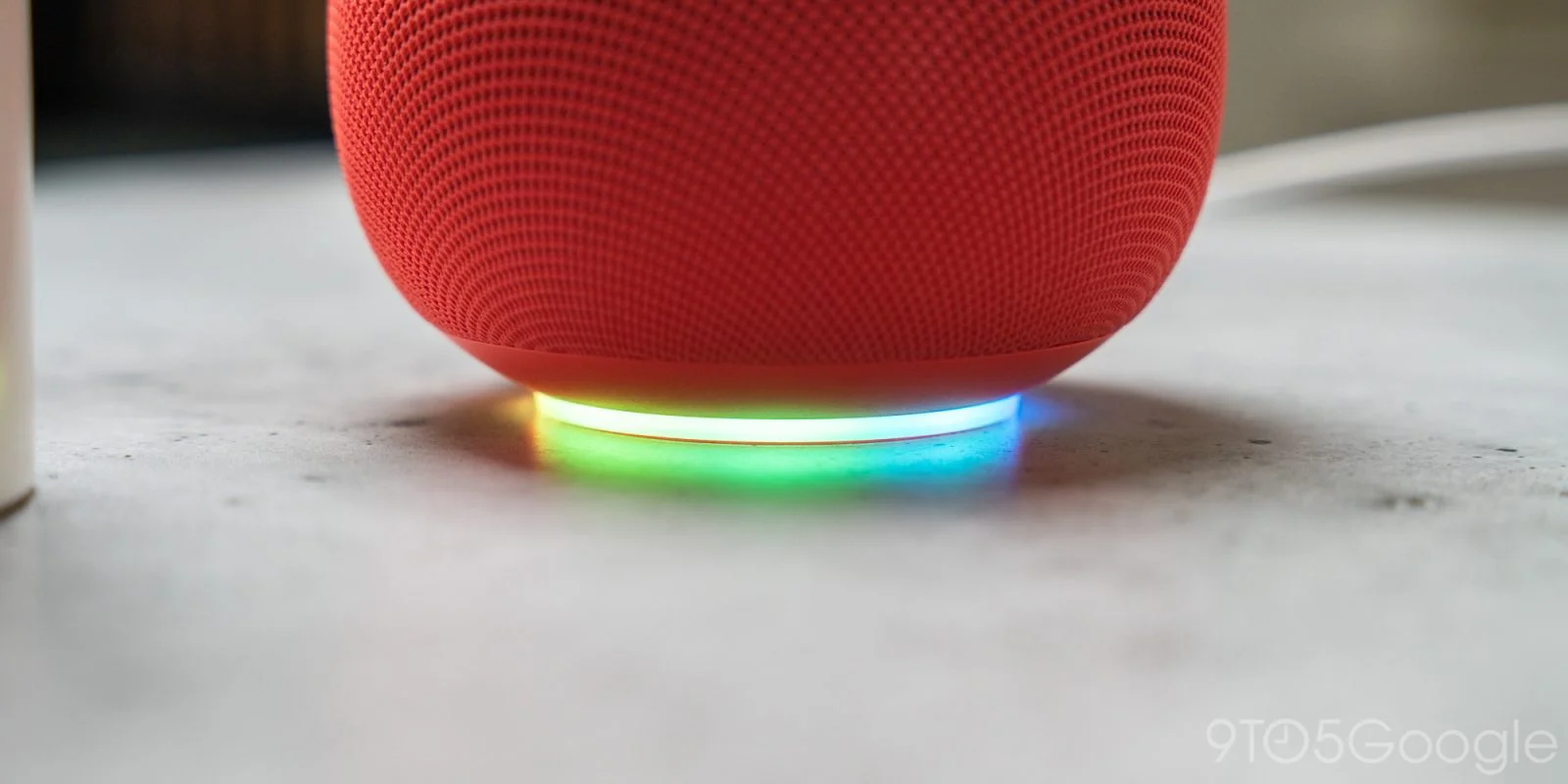
Google has rolled out an update for its Home platform that addresses multiple user-reported issues, particularly enhancing voice commands and fixing alarm functionalities. This move aligns with the company's commitment to streamline the user experience with its Gemini system for Home.
Enhancing User Interactions
Notably, users will find that voice commands on smart speakers and displays have expanded significantly. Gemini can now interpret a wider variety of media and smart home commands, and the ability to chain commands together makes interactions more fluid. This shift isn’t just about convenience; it speaks to a growing demand for more natural communication between users and their devices.
Voice control has become a key feature for smart home systems, aiming to make technology more accessible. If you're working in this space, you'll recognize that seamless command execution can often dictate user satisfaction. Consumers now look for smart devices that can respond intuitively, and Google seems to be taking substantial steps towards meeting those expectations.
Examples of new commands include:
- “Turn off the lights and stop the music.”
- “Skip this song and turn on the backyard lights.”
- “Stop captions on this video.”
Such commands reflect a significant leap from simple, isolated actions to more complex sequences. Users are no longer confined to single-step commands but can instead create flows that reflect their lifestyle, which fosters a sense of control over their environment. This is more significant than it looks; it’s about creating an ecosystem that recognizes and adapts to user patterns.
Addressing Longstanding Issues
This update also resolves notorious issues concerning Google Keep integration and has fixed bugs that hindered alarm creation and editing. Given that many users employ their smart devices as alarm clocks, these improvements are likely to be well-received. Inconsistent functionality in alarm settings can be frustrating, especially when people rely on their devices for everyday routines.
Alarm functionalities are vital for many, and any hiccup can disrupt mornings or throw off schedules. Google’s focus on these refinements acknowledges that even minor frustrations can lead to significant dissatisfaction. By addressing these pain points, the company not only enhances user experience but also reinforces the everyday utility of its products.
Refined User Experience in the App
In addition to these enhancements, the Google Home app has been upgraded to eliminate unnecessary automations from third-party applications. The automations editor now features improved organization, with starters, conditions, and actions neatly arranged in alphabetical order for easier navigation.
Users often encounter cluttered interfaces with too many options, leading to confusion and frustration. By streamlining the automation editor, Google could potentially boost user engagement, making the app not just more functional but more enjoyable to use. This refinements underscore the importance of user-centric design in technology products. A clean UI can often mean the difference between sustained use and abandonment.
Industry Implications
These updates from Google signify an ongoing trend where tech giants are intensifying efforts to refine user experiences. With Amazon's Echo devices and Apple's HomeKit also in the mix, one might question if Google is merely playing catch-up or genuinely trying to lead the smart home conversation.
Here’s the thing: the dynamics of the smart home market are multifaceted, with many consumers favoring well-integrated systems over standalone devices. Enhancements like improved voice command functionality and more streamlined application navigation can create a competitive edge. That said, these are essential features that consumers expect. True differentiation might require more than just fixing past mistakes.
While it’s clear that Google is listening to its users, the pressure to continually innovate and improve doesn’t just come from competitors. Consider the growing expectations of consumers who are increasingly tech-savvy. They’re looking for ecosystems that not only work well together but also learn from their habits and adapt accordingly. Users might expect more personalization features, predictive capabilities, and greater integration among different types of devices.
What's Next for Smart Home Technology?
As Google continues to refine its Home platform, the implications for the future of smart home technology are significant. The ability to cater to user needs and fix longstanding bugs might boost Google’s standing in the market, but the question remains: how will this play out in the long run?
The real challenge will be sustaining user engagement while minimizing frustrations. Smart home technology often remains a double-edged sword; it can simplify lives or complicate them, depending on its reliability. The expectation is for these devices to be not just tools but collaborative partners in everyday tasks.
(and this is the part most people overlook) Google’s updates might be critical but keeping up with competitors requires a forward-thinking approach. The next steps should include focusing on artificial intelligence integration for smarter decision-making and predictive functionalities that could revolutionize how users interact with their homes.
What this means for you—if you're invested in smart home tech—is that it’s a thrilling yet demanding time. Companies will have to keep pushing boundaries, thinking not just about current fixes but also about future needs and advancements that could redefine user interactions.
Discussion
Sign in to join the discussion.