YouTube's new view count system will register views the instant a video starts, enhancing creator insights and exposure metrics.
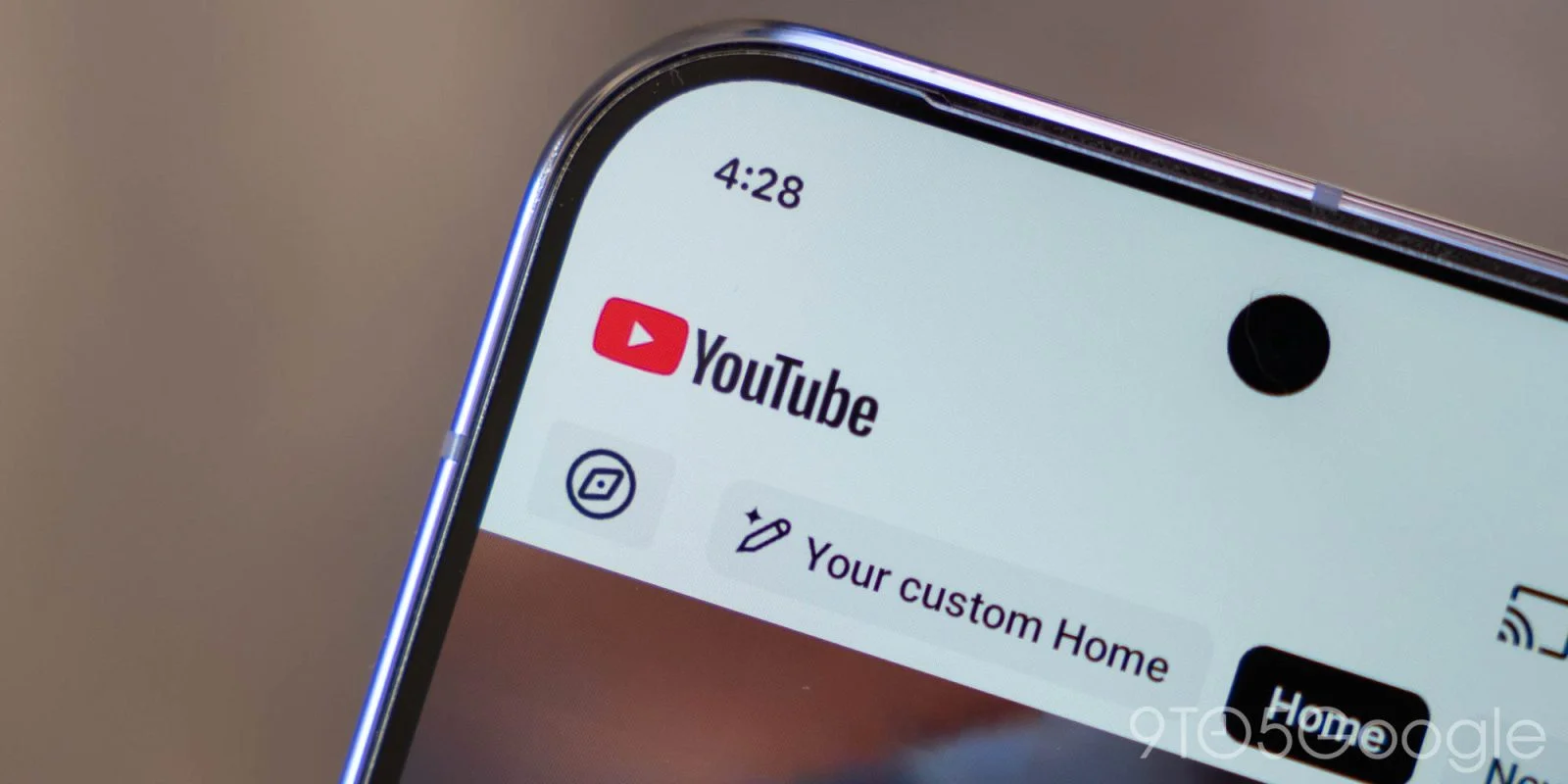
Beginning next week, YouTube will alter its view counting method, allowing views to register instantly as soon as a video begins playback.
Details of the Change
According to a recent announcement, this change means that every view will be counted from the moment a viewer hits play. This is a significant shift from the previous model.
Historically, YouTube employed different systems for counting views across its various formats including standard video uploads and Shorts. Under the earlier method, views were sometimes registered after a viewer had watched a video for a set amount of time, creating a disconnect between what a creator saw in their analytics versus the actual engagement. Last year, for instance, YouTube made modifications to how it calculated views for Shorts to reflect this behavior. Now, the platform aims to unify the experience across all video types.
As stated by Google:
“Last year, we updated how we count public views for Shorts to better reflect viewer behavior on YouTube. Now, we’re applying this consistent standard across all video formats starting on 8/24/2026. This means views will be registered from the very first frame, making the update applicable globally.”
Why This Matters for Creators
This change comes as a response to ongoing feedback from creators who have expressed frustration over the inconsistencies in metrics across different video types. View counts are often pivotal for content creators, particularly those who rely on analytics to attract sponsorship deals. With an instant view count, creators can now gauge their reach more accurately right from the video's launch. This is big—plain and simple.
It's critical for creators looking to build a brand. If you're working in this space, clearer metrics mean a more straightforward pitch to brands. They'll want assurances that their dollars aren't just lining the pockets of creators who happen not to have engaging content. A reliable view count allows for that assurance.
This change won't directly impact monetization structures or eligibility for the YouTube Partner Program, but it allows for a recalibration of value perception among collaborators. Creators can now demonstrate their influence transparently, which is essential in a marketplace that thrives on measurable data.
Accelerating the Metrics Game
This update is expected to accelerate how quickly views accumulate on videos. Imagine a new video releasing, and within seconds, it starts showing hundreds of views as opposed to minutes or even hours. The effect could lead to a more dynamic interaction between content and audience, where initial bursts of interest could amplify word-of-mouth sharing and quick engagement strategies. And yet, the question arises: how will this affect the competition among creators? Will creators feel pressure to produce content that garners instant attention, leading to more sensational—or lower quality—videos?
While this sounds beneficial, it's worth considering how platforms like YouTube create an environment of perpetual competition. The push for instant gratification in terms of views can inadvertently lead to burnout among creators as they attempt to keep pace with an ever-changing audience expectation. They might chase trends rather than foster their unique production styles, diluting the creative essence of YouTube as a platform.
The Broader Implications for YouTube
This alteration not only changes the game for creators but also signals broader trends in how social media platforms are evolving their engagement metrics. It's indicative of a growing understanding that audience behavior is complex and multifaceted, requiring platforms to continuously adapt. The shift highlights YouTube's awareness of market demands and creator feedback.
And this is the part most people overlook: while many changes on platforms are incremental, this shift aligns with a greater push for transparency and authenticity in digital engagement. In an era increasingly wary of clicks and views being manipulated, a “view is a view” philosophy may have positive ramifications for genuine content creation.
Discussion
Sign in to join the discussion.