Google's Nest Hub faced a significant outage, rendering many devices unresponsive. Users saw functionality return within hours, but clarity on the cause remains absent.
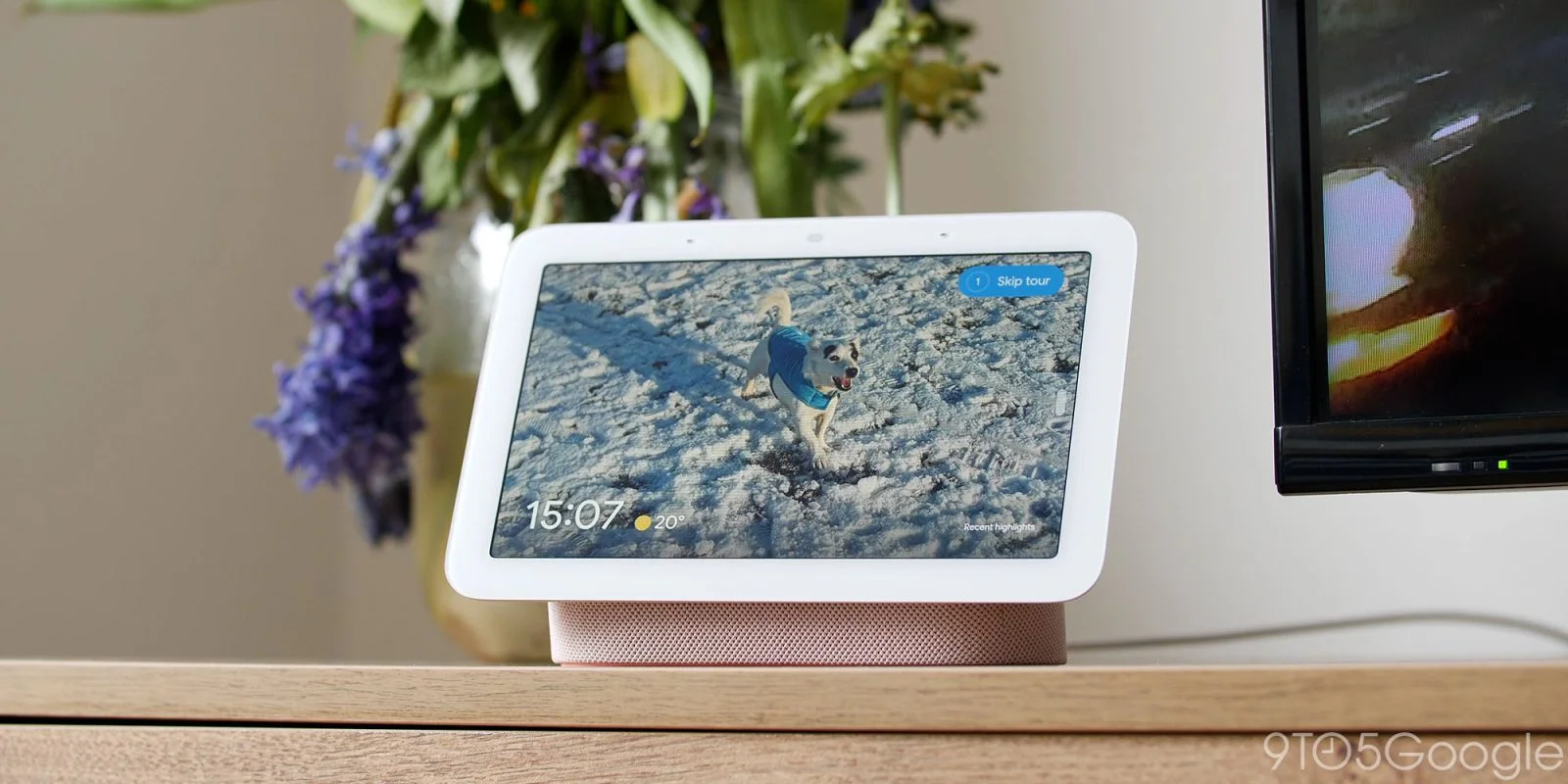
If your evening routine with the Nest Hub was interrupted last night, you're not the only one. A broad outage struck Google's Nest Hub devices, impacting their functionality significantly, but service has resumed as of this morning. Outages like this not only frustrate users but also raise questions about the reliability of connected devices that many have come to depend on in their daily lives.
Details of the Outage
Reports flooded in from multiple users across platforms like Reddit, indicating that the issue began late last night, roughly between 12 AM and 3 AM ET. Users encountered a variety of malfunctions: voice commands went unheeded, automation routines failed to execute, and in some severe cases, screens ceased to function altogether. When a device that's marketed as central to smart home management fails, it can disrupt routines and raise significant concerns about the viability of such technologies.
Some users took matters into their own hands, attempting to reboot their devices, only to find them stuck on the boot-up screen—unable to access the usual features of the Nest Hub. This experience underlines a persistent issue with smart devices: reliance on cloud connectivity. If the service goes down, the device often does too. It's a vulnerability that users are beginning to grapple with, especially those who expect their devices to handle critical functions seamlessly.
The Response and Recovery
Fortunately, the situation improved shortly after the initial reports emerged. While Google has not provided specifics regarding the outage's root cause, the immediate restoration of services brings some relief to affected users. However, the lack of clarity around the issue can be unsettling. Users are left to wonder whether similar issues could arise again, especially if their routines rely heavily on the Hub for automation tasks like adjusting lighting or controlling thermostats. For those still experiencing issues, a quick reboot of the device might be worth trying. Yet, this fix isn’t guaranteed, and users shouldn’t have to resort to these makeshift solutions for products they trust.
The Smart Home Ecosystem and Reliability Issues
This outage raises broader questions about the reliability of smart home ecosystems. As homes become more interconnected, a single point of failure, such as an outage affecting one device, can result in a cascade of problems. Smart devices are marketed for their convenience, allowing users to automate daily tasks. However, if those devices are not going to perform consistently, consumers may start reevaluating their reliance on them. Moreover, issues like these have been reported repeatedly across many brands, not just Google. The industry’s approach to ensuring dependable connectivity is increasingly under scrutiny.
Some may argue that users need to accept that technology sometimes fails. Yet, that's not a valid excuse for devices sold as essential tools in modern living. The expectation of reliability is not unreasonable, especially when many consumers invest significant sums into these devices. Moreover, this isn't just about convenience; in some cases, smart devices are integral for safety, like smart locks or security systems. The stakes are high.
Implications for Future Innovation
The implications of this outage extend into the future development of smart home technology. Users may demand solutions that offer more localized processing capabilities, reducing dependence on cloud services. This trend has already started gaining traction, as edge computing allows devices to operate autonomously instead of relying solely on remote servers. If you're working in this space, you might find that the storage of critical functions on-device instead of in the cloud could emerge as a primary selling point.
Moreover, companies like Google will have to grapple with user sentiment and market expectations. As competition heats up, firms that can't assure reliability may lose market share to those that can. If tech companies don't prioritize stability and transparency in their services, they risk alienating their consumer base. Relying solely on software patches and updates isn't enough to keep customers satisfied..
Discussion
Sign in to join the discussion.