Claude AI now allows users to send emails via Gmail without requiring approval, marking a significant enhancement in email management.
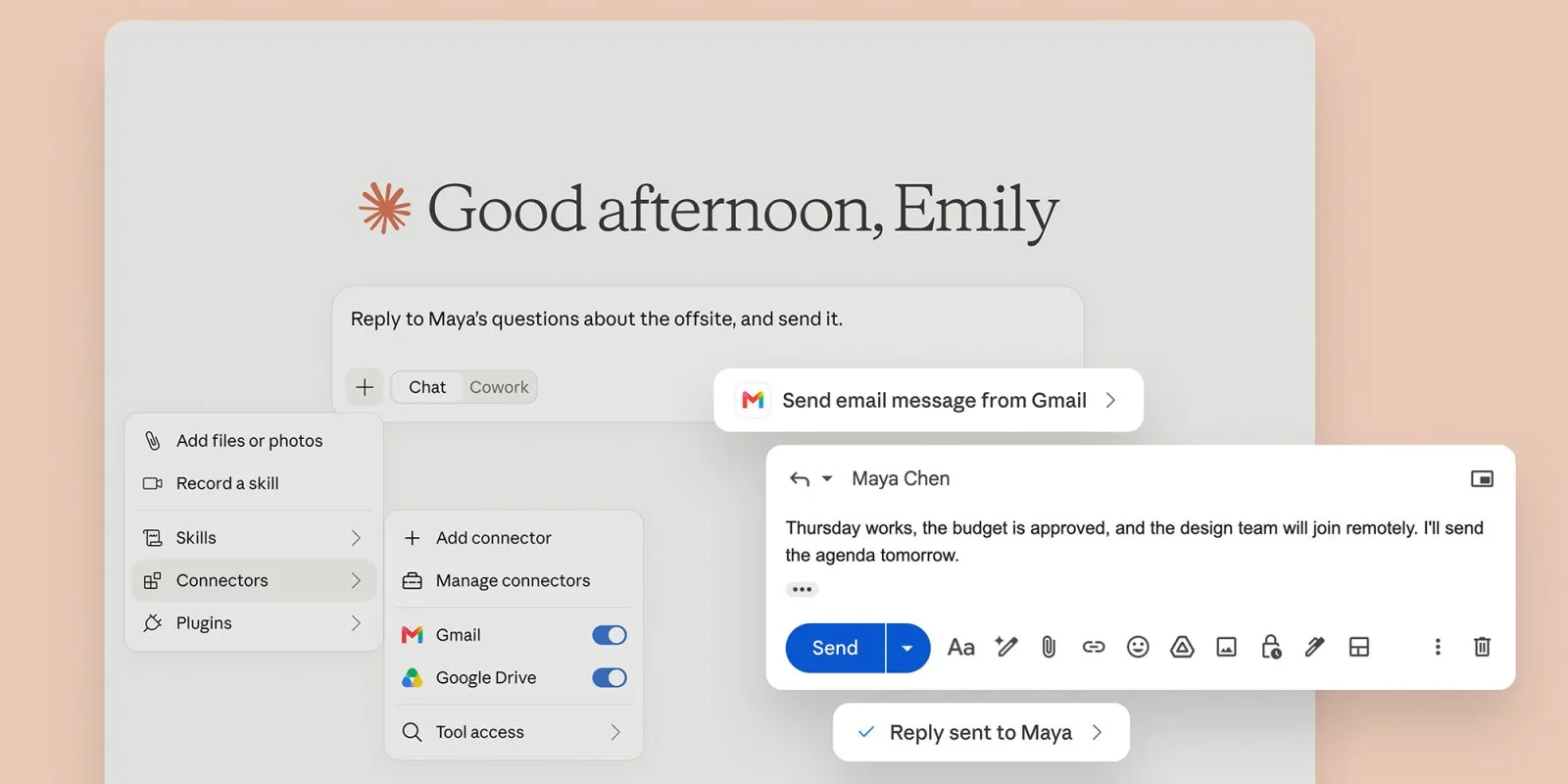
Anthropic's Claude has advanced its capabilities within Gmail, enabling a new feature that allows it to send emails on your behalf without waiting for your consent.
Evolution of Email Assistance
Email communication has transformed dramatically over the past few decades. Once a novelty, it’s now a core component of both personal and professional interactions. As people grapple with overflowing inboxes, the demand for more efficient email management tools has surged. Claude’s enhanced functionality in Gmail comes at a time when efficient communication is not just desirable, it’s necessary.
Previously, Claude could assist with organizing your inbox and managing Google Calendar and Drive, but the ability to send emails was notably absent. This functionality changes things for users looking to streamline their email communication. The introduction of Claude’s capability to send emails on command could mean less time spent sifting through messages and more time spent on actually responding to them. It’s a shift that reflects broader trends in AI: making tools that take over repetitive tasks while improving productivity.
New Email Features Explained
Now, when you ask Claude to respond to an email thread, it not only drafts the reply but can immediately send it without further involvement from you. This means that busy professionals can rely on Claude to handle their correspondence efficiently. Less manual input, and potentially fewer typos. The key here is that you still have to initiate the action by asking Claude to reply; however, the response can be dispatched right away. This could significantly alter how people interact with their inboxes.
Ask Claude to reply to a thread, and it drafts and sends the response. You control when it needs your approval.
You have the option to determine whether Claude should seek your approval before sending an email, which represents a significant leap in email assistance capabilities. It’s not just about automating the process; it’s also about optimizing how approval works in tandem with AI functionalities. This added autonomy for the AI in Gmail settings enhances the user experience and could empower professionals who are often inundated with emails.
However, implementing this level of automation also raises questions about trust and control. Users must carefully consider what it means to allow an AI to send unsolicited emails. Defining the boundaries of AI’s role in important communications will require careful thought. After all, no one wants to deal with a situation where an impulsive email could lead to misunderstandings or worse.
Settings and Customization
According to Anthropic's support page, the default setting requires Claude to ask for your approval before sending or forwarding emails. For users on Team and Enterprise plans, administrators can adjust settings to allow Claude to operate without redundant approval prompts. This tiered approach makes it clear that user control is a priority while also addressing the needs of diverse organizational structures.
Send, reply to, and forward emails from Gmail. By default, Claude asks for your approval before each of these actions. On Team and Enterprise plans, owners decide whether members can allow these actions to run without asking each time.
This new feature is currently offered only to paid Claude subscribers. Is it worth the investment to optimize your email interactions? For users who send send dozens of emails daily, this could translate into significant time savings. However, businesses should weigh the cost against potential issues that might arise from deploying AI without appropriate safeguards.
Implications and Future Outlook
The ability to automate email responses invites a broader conversation around the ethics of AI in communication. It's easy to see advantages in productivity, but what about implications for personal touch? If you're working in this space, consider how automation will affect your interactions. Will it encourage a more transactional approach to communication? Or can it coexist with the need for meaningful connections?
As AI becomes more embedded in tasks that require a personal touch, striking a balance between efficiency and human interaction will be key. Companies like Anthropic must proceed with caution, implementing features that maintain user control while enhancing functionality. As with any technology, the onus will be on users to navigate these new tools wisely.
(And this is the part most people overlook) Ultimately, how this technology develops and is adopted across various demographics will shape its role in our digital lives. Expect to see more features like this—AI that doesn’t just assist but also takes initiative. And with that comes responsibility. As Claude sends emails for you, the question arises: how much autonomy are you willing to give it? Only time will tell.
Discussion
Sign in to join the discussion.