Errors prompted Pixel Watch 1 users to worry about losing health tracking. Google confirms the device remains fully supported despite the bug.
Recent Notifications Confuse Users
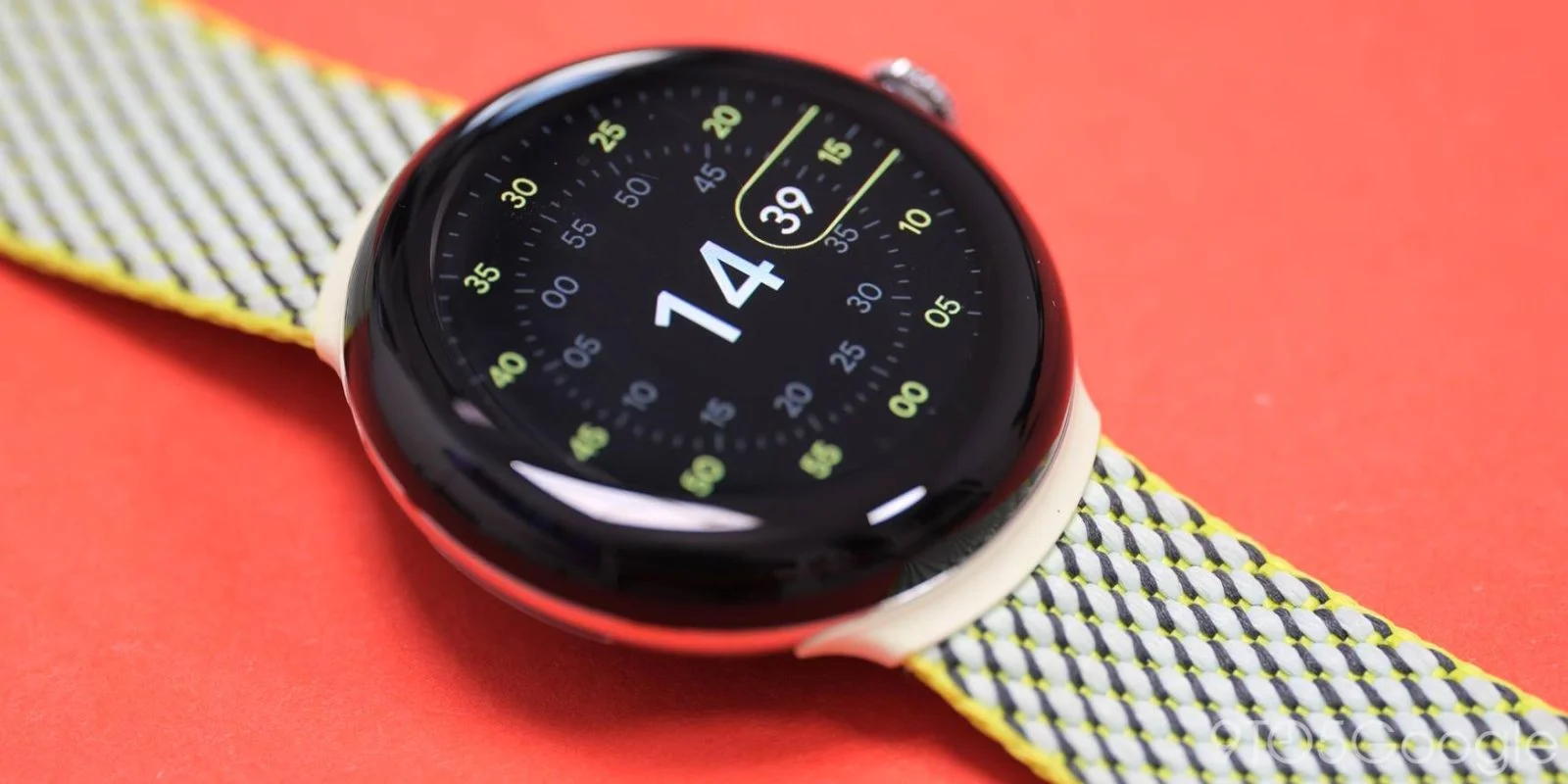
On Tuesday, owners of the Pixel Watch 1 were met with an erroneous alert from Google Health, suggesting an update was necessary. This incident isn’t just a minor annoyance; it highlights ongoing concerns about software reliability for devices designed to track vital health metrics. Google has since clarified this was a technical glitch, assuring users that their devices continue to receive support. But trust is a fragile commodity in tech. One misleading notification can lead to a cascade of user frustration and diminished faith in a product.
Error Message Details
The notification some users saw stated:
Update your watch to keep using Google Health
Your watch is running an outdated version of Wear OS and will soon stop syncing sleep and workout data with Google Health. Update your watch to the latest version to maintain tracking functionalities.
This message struck fear into the hearts of users who rely on their Pixel Watch for monitoring fitness and health data. Such notifications can create panic, particularly among users who may not be tech-savvy. They might rush to update, thinking their device is on the brink of obsolescence. This level of miscommunication can erode user confidence, especially when health data accuracy is so paramount. Conflicting messages surrounding updates amplify user concerns about device longevity—an issue comparable to past incidents with other tech giants where false notifications caused widespread confusion.
Last Update Timeline
The last significant update for the Pixel Watch 1 was released in October 2025, featuring Wear OS 5.1 on Android 15. This version included a critical security patch issued on June 5, 2025, underscoring the importance of timely updates for wearable devices that handle sensitive health information. It shows how crucial consistent software support is not just for functionality but for user security and privacy.
The timeline of updates is particularly telling. The Pixel Watch has evolved alongside several iterations of Wear OS, reflecting Google’s strategy to integrate software seamlessly with their hardware. The company initially promised users three years of updates from launch, which sets a standard in an industry where long-term support can be hit or miss. Many consumers are eager for clarity on this promise and what it means for their investment in Google's ecosystem.
Update Support Duration
Throughout its lifespan, the Pixel Watch operated on various Wear OS versions, including 3.5 (Android 11), 4 (Android 13), 5 (Android 14), and 5.1 (Android 15). The device was promised three years of updates from its launch. Three years may sound adequate, but in consumer technology, especially wearables, this time frame can feel limiting. As software updates roll out rapidly, older devices may quickly fall behind in functionality and support. That’s particularly relevant for a product in the fast-paced health tech sector.
Looking back, similar devices like the Apple Watch tend to offer a more extended support timeline, allowing their older models to receive feature updates and optimizations long after their initial releases. Google’s approach may stick to a strict timeline, but consumers often consider longevity when making purchasing decisions. Many might pass on a product that lacks reassurance of extended updates, favoring competitors with better track records.
Google's Clarification
In an online post, Google stated, “The Pixel Watch 1 remains fully supported,” attributing the misleading notifications to a bug affecting certain users. This response, while perhaps reassuring technical teams, may not fully address user frustrations. An apology alone doesn't fix the underlying issue of trust that affects user experience.
Google’s admission raises further questions: How frequently do bugs like this occur, and what processes are in place to prevent similar issues from arising in the future? End users may feel uncertain about the reliability of health data collected by their devices if technical errors can occur unexpectedly. (and this is the part most people overlook) A lack of transparency about the frequency of such bugs can lead to a bigger problem—users losing faith in the very ecosystem they’ve bought into. Google's response seemed timely, but in an industry as competitive as wearables, being merely reactive won't cut it.
Future Outlook and Implications
If you're working in this space or simply invested in wearable tech, this incident presents a sobering reminder about the fragility of user trust in software products. Companies like Google need to consider how software reliability directly impacts user retention and satisfaction. Health devices function at the intersection of technology and personal wellness, making accuracy and reliability non-negotiable features. In light of this, tech companies must invest in robust testing and improved communication protocols. Notifications like the one issued can lead to confusion and anxiety for users, which in this space can have serious ramifications, especially when health is involved.
The ramifications of such glitches extend beyond just immediate user frustration; they create lasting impressions about a brand's commitment to quality. For Google, addressing this effectively could enhance its reputation in the wearables market, but failure to recognize and rectify these concerns might push users towards competitors with stronger reliability records.
As wearable technology continues to expand, the importance of robust software support will become even more significant. Consumers will increasingly demand not just hardware features but also peace of mind that their devices can keep up with necessary health benchmarks. In this competitive market, that's more significant than it looks.
Discussion
Sign in to join the discussion.