Google's release of a unified build for the Pixel Watch 5 streamlines updates, marking a shift from its previous model structure.
Contextualizing Google's Pixel Watch 5 Launch
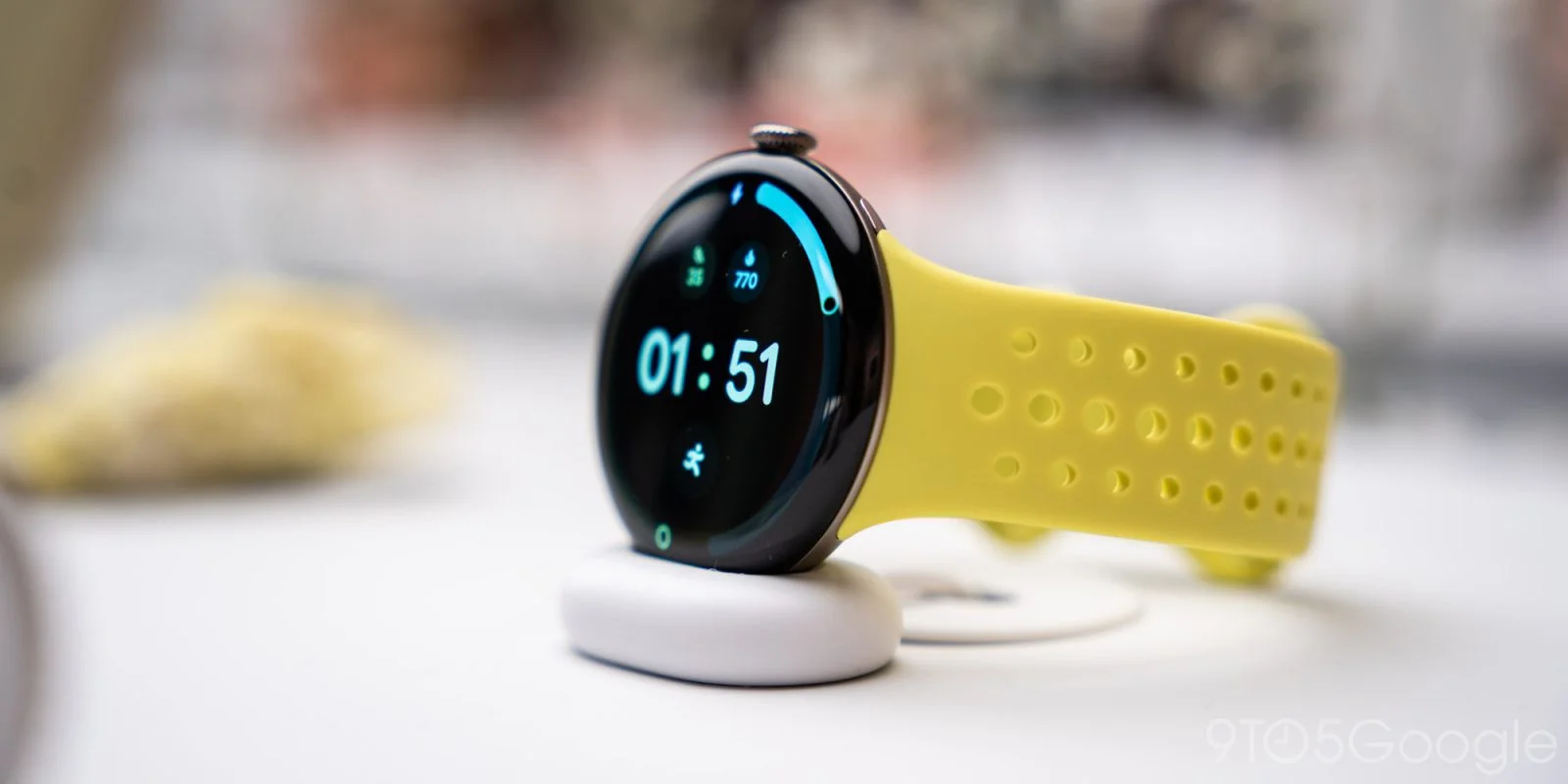
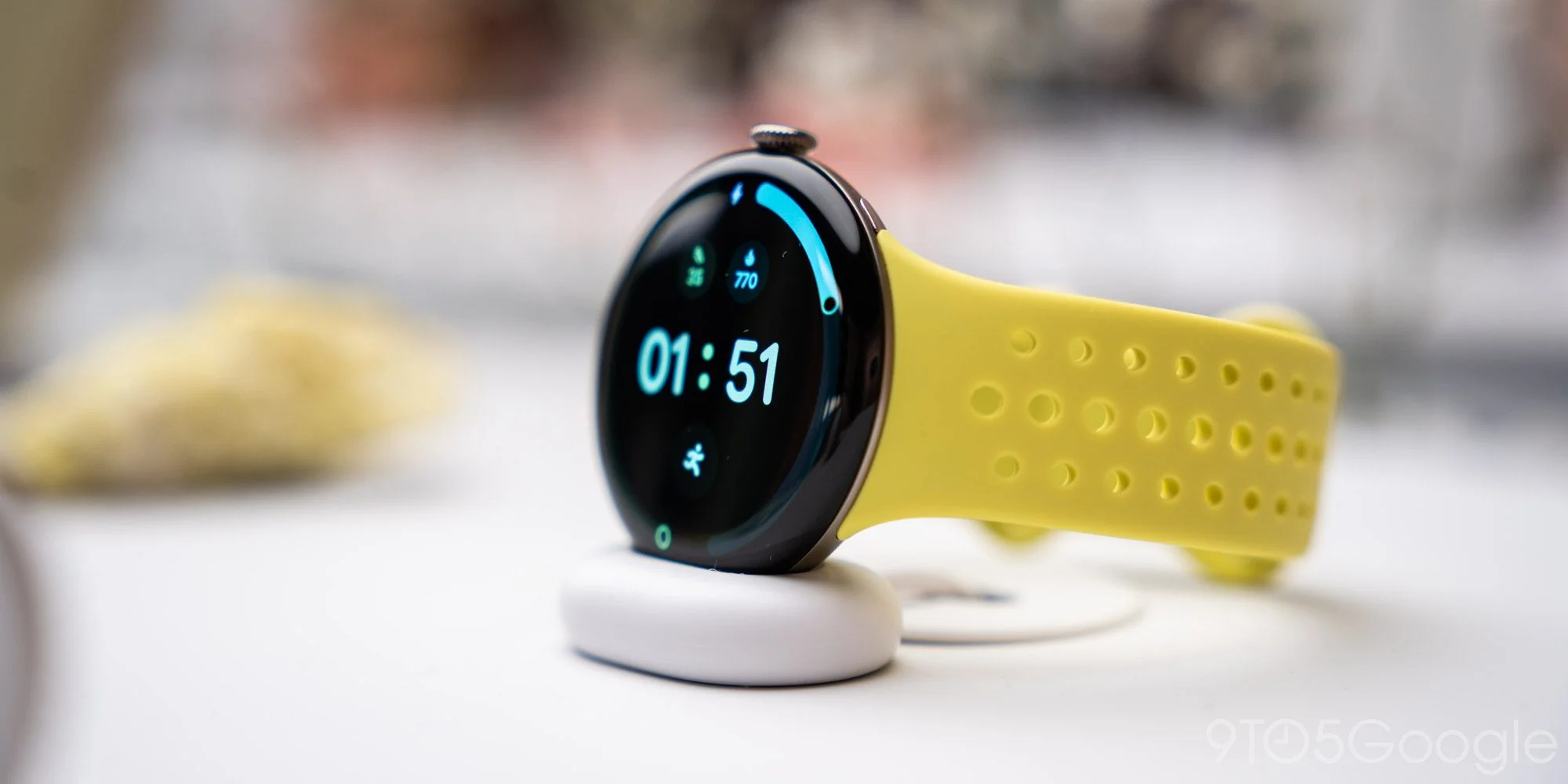
In a notable development for wearable technology, Google has launched factory and OTA images for the Pixel Watch 5, following the announcement of the Pixel 11 series. This release is the latest in a line of efforts from Google to solidify its position in the competitive wearable market, which is increasingly dominated by players like Apple and Samsung. The wearables category is rapidly evolving, with health monitoring and integration capabilities becoming top sellable features.
The Unified Build Approach
Importantly, the Pixel Watch 5 introduces a single unified build—designated CD5A.260611.00—specifically for the model codenamed “goteria.” This marks a shift from Google's previous strategy of maintaining separate builds for Bluetooth/Wi-Fi and LTE variants. Why does this matter? A unified build simplifies internal updates and eliminates fragmentation, which has been one of the persistent issues within the Android ecosystem.
In a space where manufacturers strive for innovation yet often struggle with compatibility and user experience, Google's new approach could be a pivotal move. With a more streamlined internal update process, Google could be setting the stage for smoother transitions between software updates, benefiting both developers and end-users. This is more significant than it looks; in an industry marred by software inconsistency, clarity and cohesiveness may attract users who are tired of dealing with fragmented experiences.
Wear OS 7 and Feature Expectations
As for the Pixel Watch 5, it's built on Wear OS 7, which itself is based on Android 17. This update was made retroactively available for existing devices in June. However, there's still uncertainty surrounding which features will be accessible on older models. Google has a history of rolling out impressive features that often don't make it to devices that precede newer hardware, which leaves many users feeling left out. If you're working in this space, you’ve probably confronted this characteristic of tech marketing before: the lure of new features designed to prompt upgrades.
With rumors of an update on the horizon in the form of the Q3 Pixel Drop, many Pixel enthusiasts are waiting with bated breath to see what’s included. Will the updates be substantive or merely iterative? That said, the anticipation around what features accompany Wear OS 7 can have significant implications for user adoption and satisfaction. The watch’s performance in the health-tracking segment will likely be a decisive factor for its reception.
Echoes from the Past: Naming Conventions and Leaks
Furthermore, a Google Play Console leak hinted at an earlier codename “godric,” suggesting a continuity in the naming style leading up to the watch’s final codename “goteria.” This pattern, familiar among tech insiders, often provides clues about a product’s evolution and development timeline. Codenames are not just whimsical choices; they reveal the intentionality behind product development and consumer metrics.
However, relying too heavily on codenames may lead to consumer confusion. When tech companies don’t provide clear explanations for their nomenclature strategies, potential buyers can become disengaged. This can hinder necessary brand attachment when users are left piecing together an unfamiliar story from scattered leaks.
Installation Process: A Barrier for Users
Similar to prior releases, installing these factory images for the Pixel Watch 5 necessitates a debug adapter, which Google offers exclusively through invitation. This move distinguishes the Pixel Watch 5 from previous models, where installation processes were more accessible. Here’s the thing: making tools necessary for installation exclusive can alienate the more tech-savvy user base who often enjoy the DIY aspect of gadgets. Moreover, this exclusivity could deter new users who might find the overall experience daunting.
By restricting access to installation tools, Google risks sending a message that it’s less invested in fostering a community of passionate tech users. In a world where customer engagement can define a product's lifespan, this restrictive practice may yield more frustration than loyalty. Still, the intention to streamline the experience may justify this choice for those predominantly focused on the performance and reliability of newer models.
Implications for the Wearable Tech Market
As the Pixel Watch 5 enters the fray, the implications extend far beyond just Google's product lineup. The decision to unify its build could inspire other manufacturers to streamline their approaches to software upgrades and maintenance. In an industry often criticized for its hasty device releases and poor post-launch support, this could trigger a wave of changes aimed at improving user experiences across the board.
Moreover, Google's focus on accessibility and updates plays into a broader narrative of consumer expectation. Customers are increasingly unwilling to grapple with issues arising from unsupported or underperforming hardware. The Pixel Watch 5 could very well serve as a prototype for how future wearables are developed.
As time goes on, the call for clear communication and user-friendly support will likely escalate. If the Pixel Watch 5 achieves the retention rates that Google hopes for, it may not only enhance its own brand reputation but may catalyze a shift in industry standards regarding wearable device support and consumer advocacy. And this is the part most people overlook: the potential ripple effects of a single product release.
The Future is Uncertain
With the introduction of the Pixel Watch 5 and its accompanying features, the landscape of wearable technology is bound to shift. However, uncertainty looms large regarding user adoption and the impact of installation restrictions. As consumers weigh their options, competing brands will undoubtedly keep a keen eye on how Google navigates the fine line between innovation and user accessibility.
The question remains: Will the features and integrations of the Pixel Watch 5 resonate enough to carve out a meaningful niche, or will it become yet another device that fails to captivate the attention of a market inundated with choices? As we monitor this evolution, one thing’s clear: the stakes have never been higher for manufacturers striving to connect with consumers on a more personal level.
Discussion
Sign in to join the discussion.