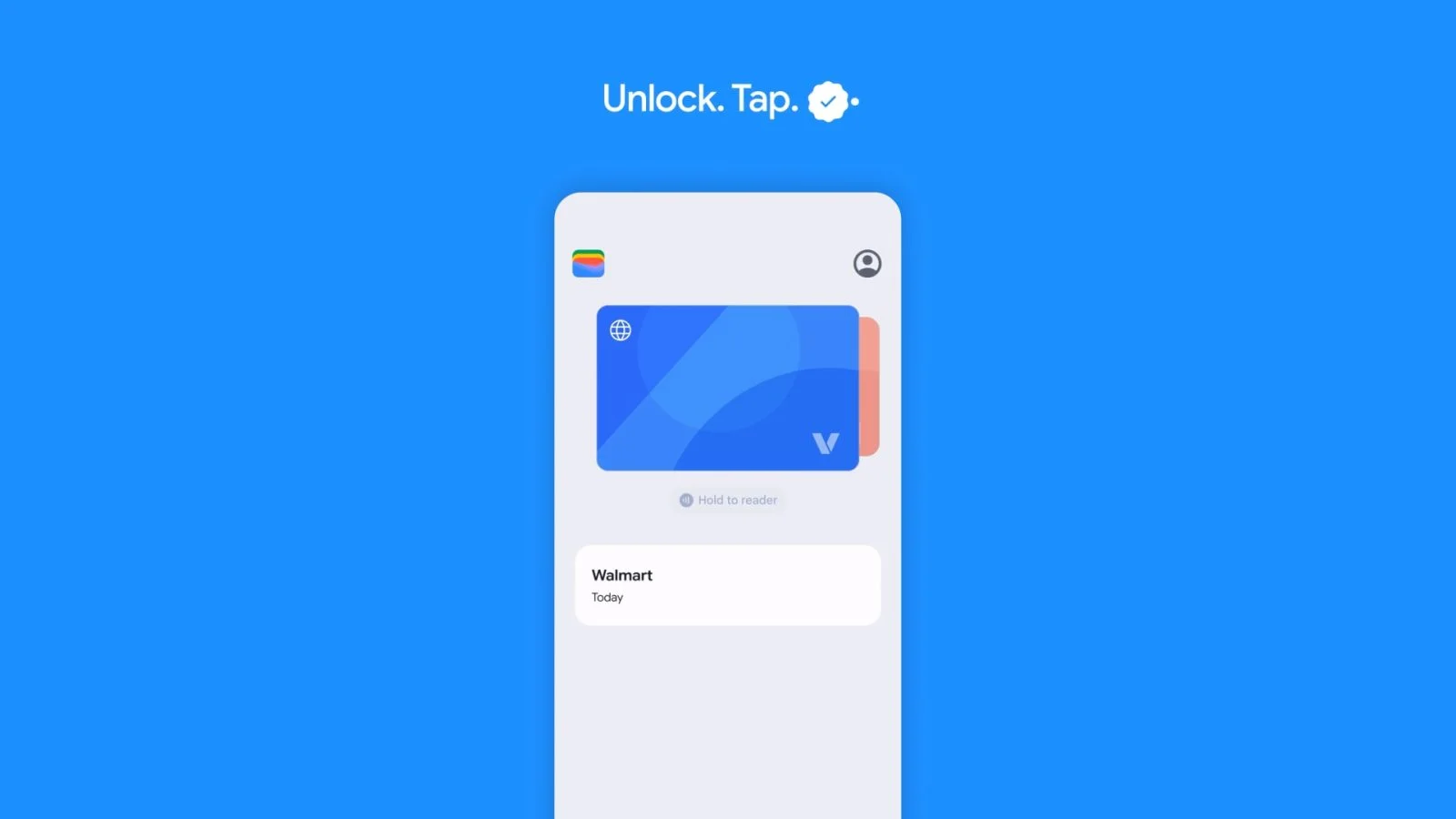
Walmart is set to embrace Google Pay for in-store transactions, enhancing customer convenience with broader payment options by 2026.
Walmart Joins the Contactless Payment Movement
Google recently revealed that Walmart will now support tap-to-pay transactions using Google Pay within its stores across the United States. This marks a notable shift for Walmart, which has largely resisted adopting NFC payment methods, preferring customers to use its own QR code-based app, Walmart Pay. But the growing trend toward contactless payments can't be ignored. As consumers increasingly opt for digital wallets to streamline their shopping experiences, Walmart's pivot reflects broader changes in how people engage with retail transactions.
The implementation of Google Pay within Walmart signifies more than just a partnership between two tech giants; it also acts as a response to changing consumer behaviors post-pandemic. The public’s preference for contactless transactions has surged as hygiene became an essential concern for shoppers. Adapting to these needs is no longer just an option for retailers; it’s almost mandatory. As similar systems typically face competitive pressure from rivals, keeping pace with customer expectations remains crucial.
Rollout Plans and Future Expansion
The implementation of Google Pay is starting at select Walmart and Sam's Club locations as of August 24. The retailer aims to complete the rollout across all U.S. outlets, including club locations, by the end of 2026, with plans to add support at fuel stations by mid-2027. This staggered rollout suggests that Walmart is taking a cautious approach, testing the waters before a full-scale launch.
Such an approach isn’t uncommon for giants in the retail space. For instance, when Target introduced similar payment options, it carefully selected locations to gauge customer response before implementing nationwide. While Walmart's extensive infrastructure means it has the logistics to support a swift rollout, the decision to phase it in systematically could provide valuable lessons about customer adoption rates. If you're working in this space, keep an eye on how this rollout may influence competitors. Just as Walmart has learned from others, competitors may use Walmart's experiences as a benchmark.
Enhancing Customer Experience
Walmart emphasized that the addition of tap-to-pay options provides customers with a familiar and straightforward method for contactless payments at checkout. Cash, credit cards, and Walmart Pay will still be accepted, ensuring a range of payment choices. This method allows Walmart to cater not just to millennials and Gen Z shoppers, who may prefer quick and easy payment options, but also to traditional shoppers who have yet to embrace full digital payment solutions.
The choice to incorporate Google Pay also demonstrates Walmart's acknowledgment of consumer preferences shifting toward more integrated payment systems. Previously, using Walmart Pay required app installation and additional steps. Now, customers can simply tap their phones to pay, effectively eliminating friction. And yet, while the addition of Google Pay may simplify the process, it raises interesting questions. Will traditionalists resist the change? Will it affect how people perceive Walmart's commitment to innovation? (And this is the part most people overlook.) If the tap-to-pay function becomes ubiquitous, will users still feel the need to open a separate app just to pay for their groceries?
Potential Industry Impact
The implications of Walmart's partnership with Google Go beyond its stores. As a major player in the retail sector, Walmart's shift toward contactless payments could spur competitors to follow suit more aggressively. Retail analysts often point out that consumer behavior is heavily influenced by market leaders; when a giant like Walmart introduces changes, its competitors either adapt or risk losing ground. Other retailers might soon find themselves pressed to embrace not just contactless transactions, but potentially to enhance their overall digital infrastructure.
This transition represents a pivotal moment—one that might inspire further innovations in how payments are processed in brick-and-mortar retail. We're likely to see an increase in other payment alternatives entering the fray, such as cryptocurrency integrations or the use of biometrics for authentication during transactions. If Walmart's adoption of Google Pay proves successful, it may well spark an industry-wide revaluation of how payments are conducted, including updating security protocols to ensure customer data remains secure.
Conclusion: A Major Shift on the Horizon
This decision by Walmart signifies a significant step in retail payments, heralding a change that reflects today’s consumer landscape. As contactless payments become more mainstream, it’s more than a simple convenience; it's a transformation that aligns with health and efficiency demands. That said, whether Walmart's approach to incorporating Google Pay enhances customer loyalty or drives new shoppers to their stores remains to be seen. The success of this transition will undoubtedly serve as a case study for retailers aiming to adapt in a rapidly changing environment.
Discussion
Sign in to join the discussion.